
Wondering what credit score you need for a credit card? The answer depends on the card you want and your overall credit profile. A score that may qualify you for a secured or starter card may not be enough for a premium rewards or travel card. In this guide, we’ll break down the credit score needed for different credit cards, what issuers look for beyond your score, and how to prepare before applying.

Credit Score Ranges for Different Credit Cards
Your credit score gives you an idea of what type of credit cards you might qualify for, but your credit score is not the only consideration that card issuers take into account when deciding whether to issue a card.
For FICO® Scores, the commonly used ranges are:
| FICO® Score | Credit RangeCredit Range | Credit Card Types You May Consider |
|---|---|---|
| 300–579 | Poor | Secured and credit-building cards |
| 580–669 | Fair | Starter, secured and some unsecured cards |
| 670–739 | Good | Mainstream, cash-back and rewards cards |
| 740–799 | Very Good | Rewards, travel and premium cards |
| 800–850 | Exceptional | Broad range of credit card categories |
These credit score 
 What is a credit score and How a good score can help you save money? ranges can give you a general idea of which credit cards may fit your profile, but they are not guaranteed approval requirements. Card issuers may also consider factors such as your credit history, income, debt, and payment history when reviewing an application.
What Does Your Credit Score Mean for Credit Card Eligibility?
Your credit score can help you identify credit cards that may fit your profile. If you have bad or fair credit, you can consider credit cards designed for beginners and credit building  Best Credit Cards to Build Credit for Beginners in September 2026. With good, very good, or exceptional credit, you may have access to a wider range of rewards, cash-back, travel, or premium cards. According to the Consumer Financial Protection Bureau
 , your credit score is one factor companies may use when deciding whether to offer you credit.
But remember that your high credit score doesn’t guarantee approval for any card. The kind of credit card is another important factor. For example, a secured credit card, student credit card, and travel premium card can have entirely different requirements even if issued by the same bank. This is the reason why it’s helpful to look at both your credit score and overall credit situation before applying
Student credit cards are generally designed for college students who may have limited credit histories.
You don’t necessarily need an excellent credit score to qualify for every student card. Because students may be new to borrowing, issuers can consider other eligibility factors in addition to traditional credit-score information.
Student cards may offer features such as
- Cash-back rewards
- No annual fee
- Credit-building opportunities
- Student-focused benefits
If you’re a student with limited credit history, comparing cards based on eligibility, fees, and features may be more useful than focusing on the highest possible rewards rate.
Cash-back credit cards are available across different credit profiles, although the requirements vary significantly between cards.
Applicants with good credit or better may have access to a wider selection of cash-back cards, while some cards are designed for people with fair or limited credit.
Cash-back cards can reward spending through:
- Flat-rate cash back
- Bonus categories
- Rotating categories
- Store-specific rewards
Before applying, compare the rewards structure with the card’s annual fee, APR, and other terms.
Rewards cards typically offer points, miles, or cash back in exchange for eligible purchases.
Many rewards cards are aimed at applicants with good to excellent credit, although requirements vary by issuer and product.
Depending on the card, rewards may include:
- Cash back
- Travel points
- Airline miles
- Hotel points
- Flexible rewards points
A higher credit score may expand the number of rewards cards you can consider, but the best fit also depends on how you spend and whether you can pay your balance on time.
Travel credit cards can range from basic cards with simple rewards to premium cards with extensive travel benefits.
Many premium travel cards are targeted toward consumers with good to excellent credit.
Depending on the card, benefits may include:
- Travel rewards
- Airline or hotel points
- Introductory bonuses
- Airport lounge access
- Travel-related protections
Don’t choose a travel card based on the credit score requirement alone. Annual fees, rewards, redemption options, and benefits can make a significant difference in the card’s overall value.
A 0% introductory APR credit card can be useful for eligible purchases or balance transfers because it may temporarily reduce interest charges.
These cards commonly target applicants with good to excellent credit, but each issuer sets its own eligibility requirements.
Before applying, check:
- Length of the introductory APR period
- Regular APR after the introductory period
- Balance transfer fee
- Annual fee
- Purchase and balance-transfer terms
A 0% APR offer is temporary, so it’s important to understand what happens when the introductory period ends.
Balance transfer cards are designed to allow eligible cardholders to move debt from one credit card to another, subject to the issuer’s terms.
Many balance transfer cards are targeted toward consumers with good or excellent credit. But your credit score isn’t the only number that matters.
Before considering a balance transfer, look at:
- Current credit card balance
- Existing APR
- Promotional APR
- Length of the promotional period
- Balance transfer fee
- Expected monthly payment
- Regular APR after the promotional period
A balance transfer may reduce interest costs in some situations, but the transfer fee and promotional-period terms should be included when comparing your options.
What If Your Credit Score Is Too Low for the Card You Want?
Just because your existing credit score does not match up with what is usually the profile of the credit card you wish to apply for does not automatically mean that you should not pursue this credit card anymore. It is possible that continuing to apply for credit cards that are outside of your credit profile will not work for you.
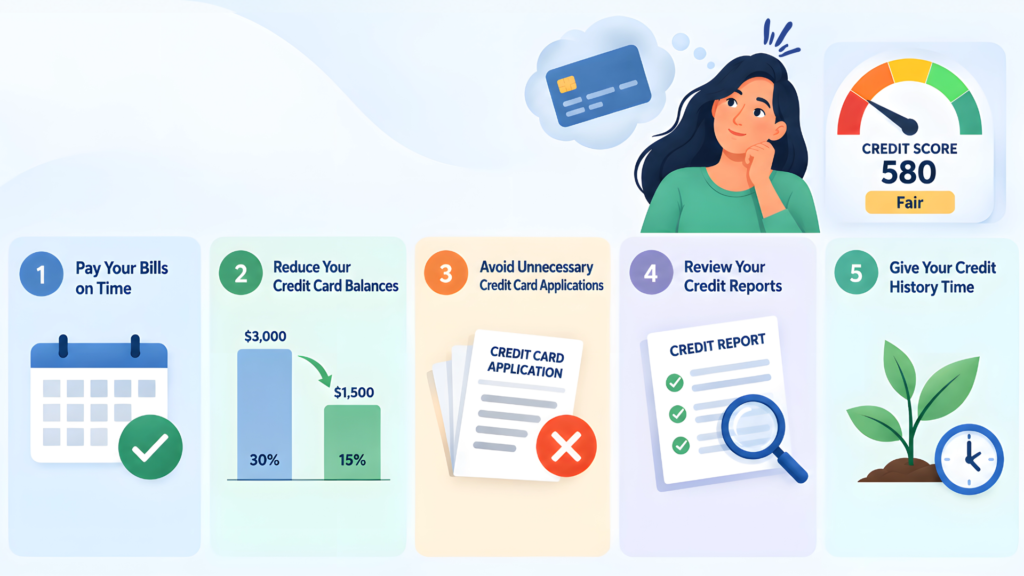
Pay Your Bills on Time
One of the most critical habits that one needs to adopt in order to keep good credit standing is timely payment of credit cards. Payment history reflects how timely you pay off your debts. Failure to do so may be damaging to your credit standing. In order to avoid any unintentional failure to make the payment, it is best to set up an automatic payment for at least the minimum required payment due.
The fact that you make payments regularly does not imply that you must pay your complete amount monthly to remain in good standing with your creditor. In addition, making your payment in full whenever possible could be advantageous in order to avoid paying any interest on your purchases.
Reduce Your Credit Card Balances
Another area worth considering is the balances on your credit cards and credit utilization. The credit utilization shows the relation between the revolving credit utilized by you and the total credit available to you. Suppose the total limit of your credit cards is $10,000 and you have utilized a total of $3,000. In this case, your credit utilization will be 30%.
If you reduce your credit card balances, it will bring down your credit utilization. Suppose you reduce your total credit card balances from $3,000 to $1,500, but the total credit available is still $10,000. Then, your credit utilization will fall from 30% to 15%.
As far as credit utilization is concerned, it varies with the balances and reported information. Furthermore, there is no particular utilization figure that can assure you of increasing your credit scores. To check your credit card balances, you may use the Credit Card Utilization Calculator provided by Finsery.
Avoid Unnecessary Credit Card Applications
If you are looking to get approved for certain credit cards, it might seem wise to apply for many at once to improve your chances of being approved. However, every single application for a new card could result in an inquiry into your credit history, and this could impact your credit profile.
The best course of action would be to investigate certain credit cards and look at all of their features and terms to determine whether or not they match your credit profile and are worth considering. In some cases, credit card companies have prequalification tools that could allow you to see if you meet their criteria without the same kind of hard inquiry 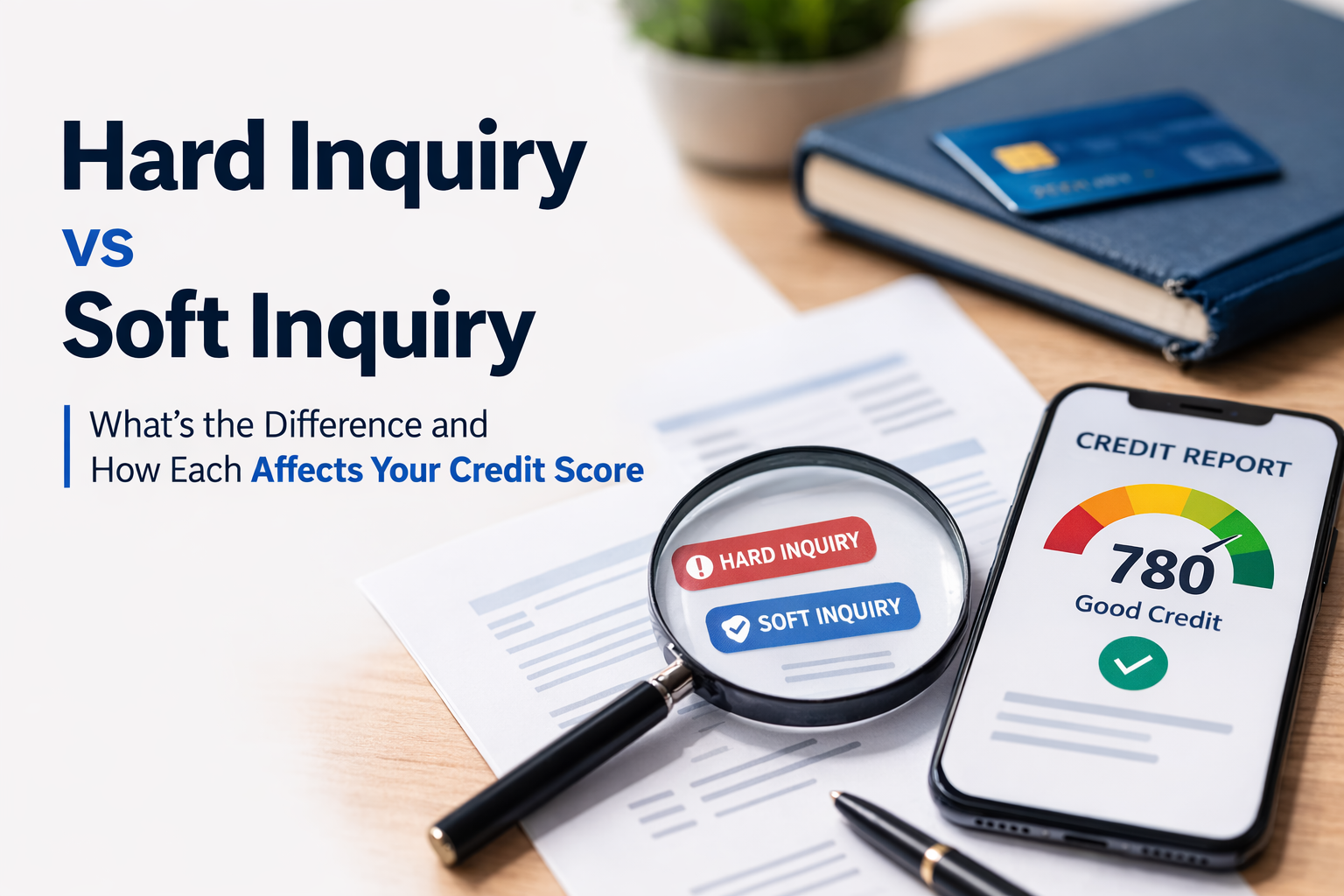 Hard Inquiry vs Soft Inquiry: Differences, Credit Score Impact and How to Minimize Damage that an application would generate.
Review Your Credit Reports
If your credit score turns out to be lower than anticipated, getting your credit reports might assist you in understanding how you look on your credit reports. You should be on the lookout for any unknown accounts, wrong balances, wrong payment history information, duplicated accounts, or any other piece of information that does not belong to you.
If you notice any information that is inaccurate, you will have a chance to dispute it with the relevant credit reporting agency, as well as the provider of that information, if any. Checking your credit report before opening any new credit line might enable you to rectify any mistakes in advance.
You can also request your credit reports from Equifax, Experian, and TransUnion through the official Annual Credit Report . You can review your reports for inaccurate information, unfamiliar accounts, or other errors before applying for a new credit card..
Give Your Credit History Time
Constructing a good credit profile usually takes time. If you have just created your credit profile or reduced any balances or rebuilt your credit profile after facing some issues in payments in the past, then you will not necessarily notice all these changes instantly.
The information about the account usually gets reported periodically, and the information that is taken into consideration to calculate your credit score keeps changing with the update of your credit report. There can be a different impact of any activity because of the use of a different scoring model or based on other information of your credit report. Instead of trying to increase your credit score quickly, you should concentrate on keeping yourself consistent with your activities.
How Credit Utilization Fits Into Your Credit Profile
Credit utilization describes how much of your available revolving credit you’re currently using. It is commonly expressed as a percentage and can help you understand how your current credit card balances compare with your available credit limits.
For example, if your credit card has a $2,000 credit limit and your current balance is $500, your credit utilization would be
$500 ÷ $2,000 × 100 = 25%
This means you’re currently using 25% of the available credit on that card.
If you have multiple credit cards, you can also look at your overall credit utilization by combining the balances and credit limits across your cards. For example, if you have two cards with a combined credit limit of $5,000 and combined balances of $1,000, your overall utilization would be 20%.
Moreover, one more thing that should be considered when using the credit utilization rate is the possibility of its changing based on balance and credit limit fluctuations. The balance used by a creditor for assessing the credit score is not necessarily equal to the balance available in your statement on the day of the assessment. There are various ways to evaluate revolving utilization by credit scoring models.
In other words, monitoring your utilization ratio will allow you to obtain more information about your current credit situation, especially when planning an application for a new credit card.
When having several credit cards, calculation of your credit utilization ratio can become rather challenging. Use Finsery’s Credit Card Utilization Calculator Credit Utilization Calculator to calculate your current credit utilization before applying for a new credit card.
What Credit Score Do You Need for a $5,000 or $10,000 Credit Limit?
No certain credit score is needed to ensure a $5,000 or a $10,000 limit. There are no certain rules when it comes to credit limits since lenders usually consider additional factors aside from credit score when determining how much credit they are willing to extend. The factors may include your income, debts, payment record, your credit history, and others depending on the data you provide with your application.
As an illustration, two people with quite similar credit scores may be offered different limits due to differences in their financial and credit profiles. A person who has been dealing with credit responsibly and has a lower debt level compared to the other individual may have a different application profile despite the similar credit scores. That is why there is no single algorithm according to which a certain credit score ensures a credit limit of $5,000 or $10,000.
If you’re looking for a higher credit limit, consider your overall credit profile rather than focusing only on your score. Your current credit card balances and utilization can also provide useful context before you apply. Finsery’s Credit Card Utilization Calculator Credit Utilization Calculator can help you calculate your current utilization across one or multiple cards so you can better understand where you stand.
Pro Tip
If you have multiple credit cards, check both your individual and overall credit utilization. Finsery’s Credit Card Utilization Calculator can help you calculate it before applying.
Does a Higher Credit Score Mean a Higher Credit Limit?
While a high credit score indicates that you might have access to credit cards that offer a high credit limit, this doesn’t necessarily guarantee you’ll get the higher limit. Credit card issuers will determine what the credit limit should be based on their criteria of underwriting. This means they may take into account various factors including your credit score, income level, debt, payment history, and many others.
For instance, two applicants with the same credit score but with different levels of debt will receive a different credit limit. Also, someone who has been in the practice of handling multiple credit accounts over the years is likely to be viewed differently from someone who has just joined the fray recently. The bottom line here is that your credit score is just one among many things.
Instead of considering your credit score as a way to gauge your eligibility for getting more credit, consider it to be an indication of your overall credit profile. Being aware of your payment pattern, balances, and credit utilization rate can give you some insight on how your credit stands.
How to Prepare Before Applying for a Credit Card
Before applying for a new credit card, take a few minutes to understand your current credit profile and the card you’re considering. Checking your credit score, reviewing your credit reports, and understanding your existing balances can help you make a more informed decision before submitting an application.
Before you apply, consider the following:
- Check your credit score: Know your current credit score and understand which credit range you fall into. This can help you identify credit cards that generally fit your profile.
- Review your credit reports: Check your credit reports for accurate account information, balances, payment history, and accounts you recognize. If you find inaccurate information, consider disputing it with the appropriate credit reporting company.
- Check your credit utilization: Review how much of your available revolving credit you’re currently using. If you have multiple credit cards, look at both individual and overall utilization.
- Review the card’s terms: Check the annual fee, APR, rewards, introductory offers, balance-transfer terms, foreign transaction fees, and other applicable charges before applying. For more guidance, read our guide on how to choose a credit card
 How to Choose the Best Credit Card for Your Spending and Goals in 2026.
 - Consider your existing debt: If you already carry balances on other credit cards, consider how adding another account could affect your overall debt and monthly payments.
- Check eligibility requirements: Review the issuer’s stated requirements before submitting a full application. If a prequalification tool is available, you may be able to check whether you are likely to qualify before applying.
- Avoid unnecessary applications: Don’t apply for several credit cards simply because you are unsure which one you’ll qualify for. Research your options first and apply when a card fits your credit profile and financial needs.
Taking these steps can help you approach a credit card application with a clearer understanding of your credit profile, the card’s terms, and what you’re committing to before you apply.
Frequently Asked Questions
Back to topThere is no single credit score required for every credit card. Generally, secured and credit-building cards may be available to people with lower scores, while rewards and premium cards often have higher credit requirements.r
Yes. A 600 credit score may qualify you for certain secured, starter, or credit-building credit cards. Approval depends on the issuer’s requirements and your overall credit profile.
A FICO Score of 670 to 739 is generally considered good. This range may provide access to a wider selection of mainstream credit cards, although approval requirements vary by issuer.o
A higher credit score can be one factor associated with higher credit limits, but it does not guarantee one. Issuers may also consider income, debt, payment history, credit history, and other application information.
You can work on your credit profile by making payments on time, managing credit card balances, reviewing your credit reports for errors, and limiting unnecessary credit applications. Over time, these habits may help strengthen your credit profile.r
