
Key Takeaways
- Credit card interest quietly costs Americans billions. Data linked to the Federal Reserve and Federal Financial Institutions Examination Council (FFIEC) shows consumers pay massive amounts in interest and fees each year, often without realizing how balances snowball.
- High APRs make even small balances expensive. With average rates above 22%, carrying just $1,000 can mean over $200 in annual interest.
- The real trap is compounding, not just spending. Daily interest calculations and revolving balances cause debt to shrink slowly while charges keep building.
- Minimum payments keep you in debt longer. They mainly cover interest, doing little to reduce principal, which extends repayment timelines.
- Simple habits can stop most interest charges. Paying the full statement balance, limiting new purchases during payoff, and tracking statement dates can keep your balance from generating interest at all.
Each year, millions of Americans pay hundreds or even thousands of dollars in credit card interest. The real problem is not spending too much, but how credit card interest piles up, how balances grow, and how Americans misunderstand the hidden mechanics of the revolving debt trap. This money could cover essential expenses or contribute to savings, yet many do not notice the costs until after the payment.
According to Federal Reserve and Federal Financial Institutions Examination Council (FFIEC) data, Americans paid around $254 billion in credit card interest and fees. The average per-account amount was approximately a hundred dollars, excluding those with higher balances who pay significantly more each year.
Understanding why this occurs and how to avoid it can help cardholders save their money. Finsery helps you identify potential pitfalls and manage your credit card debt effectively.
Credit Card Interest Rates: Where Borrowers Feel the Most Financial Pain
Credit card debt remains a significant issue in the United States. Total revolving balances have reached about $1.23 trillion, based on data from the Federal Reserve Bank of New York . While the New York Fed does not report average individual balances, credit reporting agencies estimate that the average American has around $6,000 in credit card debt. This shows how common and expensive revolving debt has become.
At the same time, the average credit card interest rate on balances that incur interest remains above 22%, far higher than most other consumer loans. That means every $1,000 carried could cost more than $220 in interest per year if not paid down. For many households, especially those relying on credit cards for daily expenses or emergencies, this results in hundreds of dollars in annual interest. Since nearly half of Americans carry a balance month to month, these costs impact millions nationwide.
In short, credit card interest rates often cause the most financial strain due to high APRs, daily compounding, and revolving balances. Understanding these costs is essential for reducing debt and minimizing interest payments.
Why Does Credit Card Interest Accumulate Faster than Expected
Many Americans are unaware of how quickly credit card interest charges accumulate. This growth results not only from the annual percentage rate but also from the methods banks use to calculate interest, the structure of billing cycles  billing cycles, and how balances are carried over from month to month.
Credit card APR sounds like an annual cost, but interest is calculated daily. Banks divide your APR by 365 to determine the daily rate, which is applied to your balance each day.
Many people misunderstand how the credit card grace period works. Most cards provide a grace period of 21 to 25 days, allowing you to avoid interest on new purchases if you pay your statement balance in full.
If you carry any balance from the previous billing cycle, you lose your grace period. Interest will then accumulate immediately on both existing and new purchases. Paying on time does not prevent interest charges unless you pay the full statement balance.
Making only the minimum payment keeps your account current but does little to reduce your debt. Most of the payment covers interest, with only a small portion applied to the principal.
Trailing interest is another factor in credit card interest costs. Even after paying your balance, you may see an interest charge on your next statement because interest accrues between the statement date and the payment processing date.
Many cardholders are unaware that this is part of how banks calculate credit card interest, which can lead to unexpected charges. Although these amounts are often small, they increase the total cost of debt and can be frustrating for those aiming to pay off balances in full.
Revolving Credit Trap that Keeps Americans Paying Interest Forever
Credit cards operate on a revolving credit system, allowing balances to carry over from month to month instead of requiring fixed repayments. Although this offers flexibility, it can also lead to forever debt and accumulating interest.
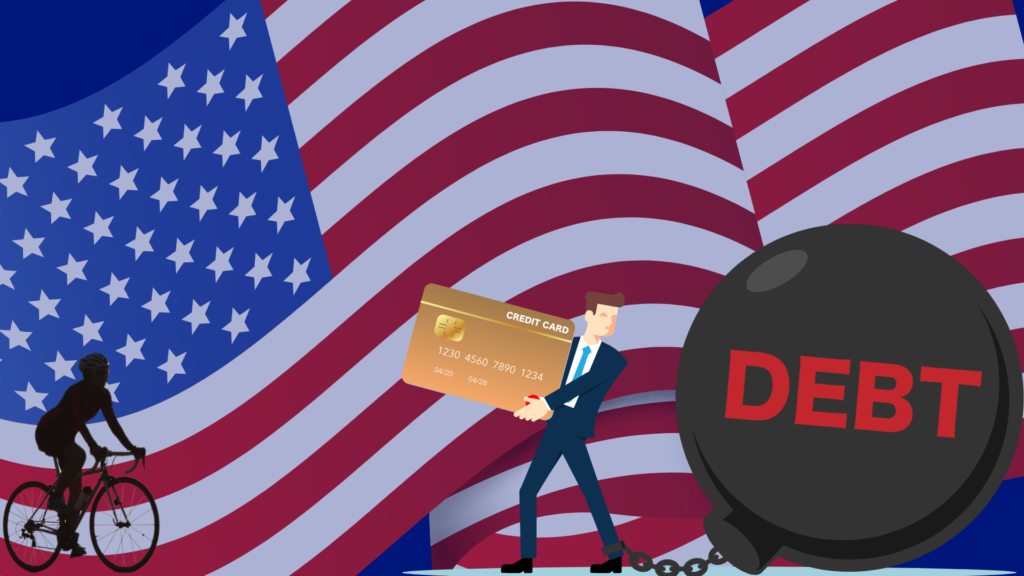
A revolving credit trap arises when the full statement balance is not paid. Interest compounds daily, and payments are applied to interest before the principal. Paying only the minimum and continuing to make purchases slows debt repayment and can lead to substantial interest costs over time.
This cycle results primarily from the design of the credit system rather than from individual financial habits, as balances decrease slightly while available credit increases, which can encourage additional spending even as debt continues to grow. Even when paying only the minimum, restricting new charges, and prioritizing repayment of statement balances, many individuals still incur interest charges every month.
How to Break the Revolving Credit Trap
Escaping the revolving credit trap does not require drastic changes; it requires the right strategy. Making minor, consistent adjustments in how you pay and use your card can significantly reduce interest over time. The goal is to move from just keeping up with payments to actively lowering your balance and preventing new interest charges. The following steps can help you take control:
- Whenever possible, pay the full statement balance to eliminate new interest charges and maintain your grace period.
- If paying in full is not feasible, make payments at least exceeding the minimum amount. Additional payments can accelerate the reduction of the balance and decrease the total interest paid.
- Avoid new credit card purchases while repaying existing debt to prevent further increases in your outstanding balance.
- Set up automatic payments to avoid late fees and potential increases in your annual percentage rate (APR) due to missed payments.
- Monitor your statement closing date to understand when interest charges may be assessed.
- Consider a 0% APR balance transfer to pause interest charges while you repay debt, as long as you have a clear payoff plan.
- Use debit cards or cash for routine expenses until the credit card balance is under control.
Best Smart Credit Card Habits to Stay Interest Free
Avoiding credit card interest requires consistent financial habits. Cardholders who use structured credit practices are less likely to fall into debt cycles or incur recurring interest charges. These five smart credit card habits can help you stay interest-free and maintain control over your finances.

1. Use Your Credit Card Like a Debit Card
Spend only what you can pay in full when your billing statement arrives. This approach keeps your balance manageable and prevents purchases from turning into long-term debt. Relying on available cash instead of future income lowers the risk of carrying a balance and incurring interest. This habit is one of the most effective ways to avoid credit card debt and maintain zero borrowing costs.
2. Track Your Statement Closing Date
Many people focus only on the payment due date, but the statement closing date is equally important. It determines your reported balance, impacts your credit utilization, and affects your grace period. Paying down your balance before the statement closes can reduce your reported debt and help you avoid unexpected interest charges.
3. Keep Credit Utilization Below 30%
Credit utilization, which is the percentage of your credit limit you use, directly affects your credit score credit score and financial risk. Keeping utilization below 30% makes balances easier to pay off and reduces dependence on revolving debt. Lower balances also result in less money accruing daily interest if a balance remains.
4. Review Your Statement Every Month
Reviewing your statement each month helps you quickly identify interest charges, billing errors, duplicate transactions, or fraud. This habit also keeps you aware of balance changes and prevents minor issues from becoming costly problems.
5. Aim to Pay the Statement Balance in Full
Paying the full statement balance, rather than just the minimum, keeps your grace period active and prevents interest from accruing on new purchases. This is the most effective way to keep interest at zero. If you cannot pay the whole amount in one month, prioritize returning to full payments as soon as possible.
Final thought from Finsery
Credit card interest can feel overwhelming, but you can manage it. When you know how your balance grows and where extra charges come from, you gain more control over your money. Making small, steady changes in how you pay, spend, and track your statements can make a big difference.
At Finsery, we want to help you avoid fees and feel more confident about your finances. If you stay informed, pay with purpose, and build good habits, your credit card can become a useful tool.
