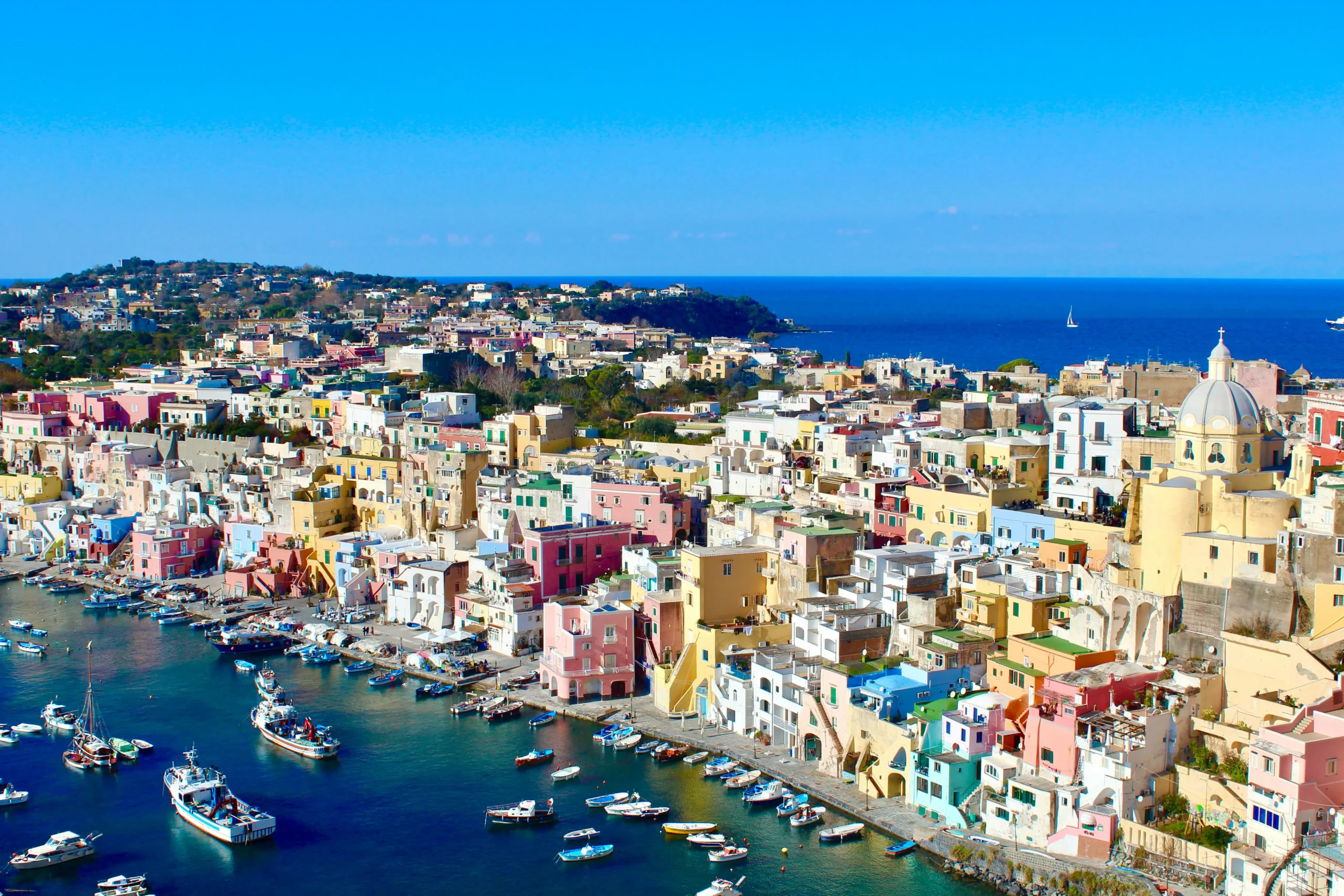

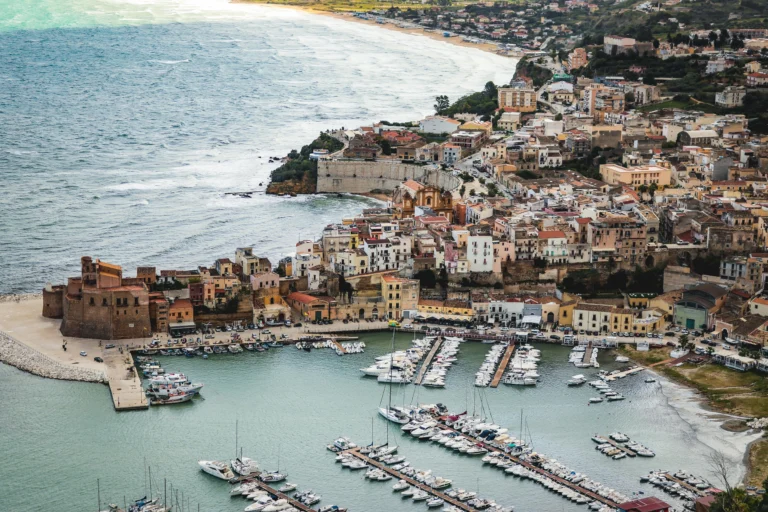
Elba, the sun-soaked island off the coast of Tuscany, is attracting more US travelers in 2026 with its clear waters, historic charm, and relaxed island life. While it’s often viewed as a more affordable Mediterranean option, visitors might encounter hidden costs. Being aware of these expenses in advance helps travelers fully enjoy what Elba has to offer without unexpected budget issues.
Is Elba Expensive for American Tourists?
Compared to major tourist destinations, Elba often feels more affordable. However, it is not exactly a budget destination. The island experiences a surge in tourism from June to August, increasing prices for accommodations, ferries, and rentals. Everyday purchases like coffee or gelato remain reasonably priced, but premium experiences, especially beachfront stays and sea-view dining, can become significantly more expensive during peak travel season.
For a U.S. traveler from Miami, renting a small villa in Portoferraio for a week in July may cost more than a similar stay in Charleston, South Carolina, due to seasonal demand and additional travel fees. Travel experts note that booking accommodations and ferry tickets early can often help travelers secure better prices.
How Much Does It Cost to Visit Elba in 2026?
The cost of visiting Elba depends on when you travel, where you stay how you get around and what activities you plan. Beyond accommodation and ferry tickets travelers should budget for food, parking, rental vehicles, beach services, attractions and local fees.
1. Ferry Costs to Elba
visitors traveling to Elba by sea depart from Piombino on the Tuscan mainland. The main route is Piombino to Portoferraio, operated by Moby and Toremar with a crossing time of one hour.
According to Moby’s current route listings, one-way passenger fares from Piombino start at approximately $26 to Portoferraio, $26 to Cavo, and $23 to Rio Marina, based on euro-denominated starting fares converted to U.S. dollars. The Piombino–Cavo crossing takes around 20–30 minutes, while Piombino–Rio Marina takes approximately 45 minutes. These are advertised starting fares and may not represent the price available for every departure. Moby notes that fares can vary depending on factors such as the travel date, departure time, and vessel occupancy. Travelers bringing a car or motorcycle should also expect additional transportation charges.
Pro Tip
Compare the fare for all passengers and vehicles for your exact travel dates instead of relying only on the advertised starting price.
2. Accommodation Costs
Accommodation can be one of the expenses on an Elba vacation. Prices vary according to the town, property type, location, season and length of stay. Travelers can choose from hotels, apartments, guesthouses and villas. Properties near beaches or waterfront areas can command higher prices, particularly during the busy summer period. Before booking look beyond the advertised rate and check whether the final price includes:
- Local taxes
- Cleaning fees
- Parking
- Service charges
- Additional guest fees
Comparing the total booking price rather than just the nightly rate can give you a more accurate picture of your accommodation cost.
3. Food and Dining Costs
Food costs mainly depend on the way you like to eat. If you stay in an apartment that has a kitchen you can save money by cooking some meals. If you prefer to eat at restaurants for lunch and dinner you will need a food budget. Common expenses include:
- Breakfast
- Casual lunches
- Restaurant dinners
- Coffee and drinks
- Gelato and snacks
- Seafood
- Wine and other alcoholic beverages
watch for the coperto, a small cover charge that some Italian restaurants add on top of the food bill. Restaurants by the water or in tourist spots often cost more than casual places farther from the crowds. Look at the menu. Ask about extra fees before you order to avoid surprises.
4. Transportation Around Elba
When you arrive, how you get around can have a significant impact on your budget. Buses are a practical option if you stay near a major town and plan to visit destinations served by local routes, while a rental car gives you more flexibility to explore beaches, villages, and places that may be harder to reach by public transportation. However the rental price is part of the cost. Consider:
- Rental fee
- Insurance
- Fuel
- Parking
- Security deposit
- Additional-driver charges
- Ferry cost if transporting the vehicle to Elba
If you stay in one town and only make a trips, compare the total cost of public transport with the cost of renting a car.
5. Activities and Attractions
Elba has ways to spend money but you can still enjoy the island without paying for every activity. Free or cheap options include beaches, walking trails and scenic viewpoints. Paid experiences can include:
- Boat tours
- Diving and snorkeling
- Water sports
- Museums
- Historic sites
- Napoleon-related attractions
- Mining attractions
- Monte Capanne
For example, the Monte Capanne cable car currently lists a round-trip fare of $23 for adults, while students pay approximately $17 and children ages 4–10 pay approximately $12. The cable car operates seasonally, with opening dates and hours varying throughout the year. If you plan to visit attractions such as Monte Capanne, boat tours, museums, or historic sites, it is worth setting aside a separate activities budget rather than treating each admission or excursion as a small additional expense.
6. Taxes and Hidden Fees
Elba’s landing fee is another cost travelers should account for when planning their trip. For 2026, the fee is $2 per person in January and February and approximately $6 per person from March through December. Children up to 12 years old pay approximately $3 during the $6 period, unless an exemption applies. The fee is generally included in the price of a ferry, plane, or cruise ticket rather than collected separately when you arrive on Elba. For two adults traveling during most of the year, that works out to approximately $12 total in landing fees.
- Accommodation or tourist taxes
- Paid parking
- Beach umbrellas and sunbeds
- Equipment rentals
- Boat or tour fees
- Rental-car charges
- Ferry vehicle charges
These small costs can add up and several of them can noticeably increase the price of a week‑long trip.
7. Peak Season Can Increase Your Budget
The month you pick can change how much you spend. July and August are summer months. Expect demand for hotels, transport, parking and popular activities. May, June and September offer a mix of availability, crowds and prices. Still actual costs depend on the place, the date and demand. If you can be flexible, compare travel dates before booking. Do not assume one season will always be cheaper.
How to Save Money on an Elba Trip
You don’t have to give up the best parts of an Elba vacation to stay within budget. A few choices made in advance can help lower your travel costs, and if you’re paying for part of the trip with a credit card, it’s also important to understand how long it may take to pay off the balance and how much interest you could incur. Finsery’s Credit Card Payoff Calculator  Credit Card Payoff Calculator can help you estimate your payoff timeline and potential interest costs before carrying travel expenses on a credit card.
- Compare Ferry Prices Before Booking: Look at times and routes from Piombino, especially if you are bringing a car. Compare the passenger and vehicle fare instead of just picking the cheapest starting price.
- Consider Traveling Outside Peak Summer: July and August can mean higher prices for places to stay, ferries and things to do. If your schedule is open check prices for May, June or September before making a booking.
- Compare the Full Accommodation Price: Don’t just look at the price per night. Make sure to see if taxes, cleaning fees, parking and other required costs are part of the price.
- Decide If You Really Need a Car: A rental car gives you freedom, but fuel, insurance, parking and ferry vehicle costs can add up. If you are staying close to a town compare the full cost of a car with the cost of using public transportation.
- Mix Free and Paid Activities: Elba has beaches, beautiful walks and outdoor adventures that do not always cost money. Combining these with things that cost money like attractions, boat tours or other trips can help balance your spending on activities.
- Check Restaurant Charges: Before you order, look at the menu for coperto and any other extra charges. Choosing some meals or buying food to eat yourself can also help you save on food costs.
- Plan for Small Extra Costs: Set aside money for parking, beach umbrellas and sunbeds equipment rentals, local taxes and other unexpected costs. Planning for these expenses before your trip can help you avoid problems with your vacation budget.
Hidden Fees in Accommodations
Many vacation rentals advertise attractive base rates but later add cleaning, tourist, or mandatory service fees. Some coastal towns impose a nightly tourist tax per person, which can add extra daily costs to your stay. Travelers are encouraged to review the total booking price carefully before confirming reservations.
Comparing final prices across multiple rental platforms can also help travelers identify hidden charges and avoid unexpected costs before checkout. Planning and understanding hidden travel expenses can help travelers enjoy Elba without unexpected costs.
Frequently Asked Questions
Back to topElba is generally more affordable than major Italian cities, but travelers may still face higher costs during peak tourist seasons, especially for accommodations and transportation.
Visitors may encounter extra expenses such as ferry fees, tourist taxes, cleaning charges, vehicle transport costs, and higher beachfront dining prices.
Round-trip ferry tickets for two adults can range from approximately $120 to $180, depending on the season and booking time.
Booking ferries and accommodations early, avoiding peak travel days, and using bikes or public transportation can help reduce overall travel costs.