At Finsery, we provide independent, research-driven financial content. To keep our articles, tools, and resources free for readers, we may receive compensation from companies featured on our site through affiliate links, referral partnerships, or paid placements. This compensation may influence how and where products appear on our site (such as the order or placement of products within categories), but it does not affect our editorial opinions, recommendations, or reviews, which remain based on objective analysis. While we strive to ensure the accuracy and timeliness of all information, Finsery makes no representations or warranties regarding the completeness, applicability, or future availability of any product, service, or offer. Product terms, conditions, and policies are provided by the respective companies and may change without notice. We do not include every company or financial product available in the marketplace. Some offers may be subject to eligibility requirements, approval processes, or geographic restrictions. Your personal circumstances may impact whether a product is right for you. Any compensation received by Finsery does not constitute an endorsement of any company or product. All content is provided for informational purposes only and should not be considered personalised financial, investment, tax, or legal advice. Please consult a certified professional for advice specific to your situation.
Credit Card Application Declined? 9 Reasons and What to Do Next


Editorial Note: The information provided on Finsery is for general informational purposes only and is not intended as financial or professional advice. Our team conducts independent research to share insights we believe are accurate and helpful at the time of publication. Some of the products or services featured on this page are from our advertising partners, who may compensate us if you click through links on our site. However, affiliate relationships do not influence our editorial opinions, our reviews and recommendations remain based on our own independent research and analysis.
Editorial Note: Finsery provides general informational content only, not financial advice. We may earn a commission from our advertising partners when you click links, but our editorial opinions remain independent.
A declined credit card application can be frustrating, especially when you have a good credit score or have never missed a payment. But credit card companies consider more than your score when deciding whether to approve you. Your application may be denied because of high existing debt, limited credit history, insufficient income, too many recent applications, or even incorrect information on your credit report.
The good news? A rejection does not mean you will never qualify for a credit card. This guide explains nine common reasons credit card applications get rejected, how denial affects your credit score, and what you can do before applying again.
Why Was My Credit Card Application Declined?
A credit card application is declined when the issuer determines that an applicant does not meet its approval requirements. Each issuer evaluates applicants using its own lending criteria. These may include credit scores, payment history, income, existing debt, and information from previous accounts.

1. Your Credit Score Is Too Low
Your credit score is one of the factors lenders use to evaluate your creditworthiness. A lower score can indicate a history of missed payments, high balances, or other financial difficulties.
For commonly used FICO scoring ranges:
These categories describe credit score ranges, not guaranteed approval requirements. For example, a person with a 640 credit score might qualify for one credit card but be rejected for another. To understand how payment history, credit utilization, and other factors affect your credit profile, read our guide on how credit scores work 
 What is a credit score and How a good score can help you save money?.
2. Your Credit Utilization Is Too High
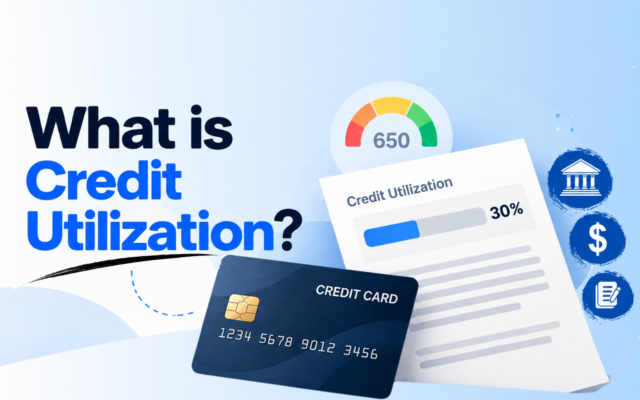
Credit utilization measures how much of your available revolving credit you are using. Even if all your payments are made on time, a high utilization ratio can have a negative effect on your credit score and might affect the issuer’s decision. This factor can be improved by lowering the amounts that you report.
A credit utilization ratio below 30% is commonly used as a general guideline, but it is not a universal requirement for credit card approval. Lower utilization can generally be better for credit scoring, but its impact varies based on your overall credit profile. For a more direct source on utilization, use an authoritative credit-scoring explanation from FICO: Amounts owed and credit utilization . Use Finsery’s Credit Utilization Calculator
Credit Utilization Calculator to calculate your overall and per-card utilization and estimate how much you may need to pay down to reach your chosen target.
3. You Have Applied for Too Many Credit Cards Recently
If you keep getting denied for credit cards, frequent applications may be contributing to the problem. When you submit a credit card application, the issuer will typically perform a hard credit inquiry 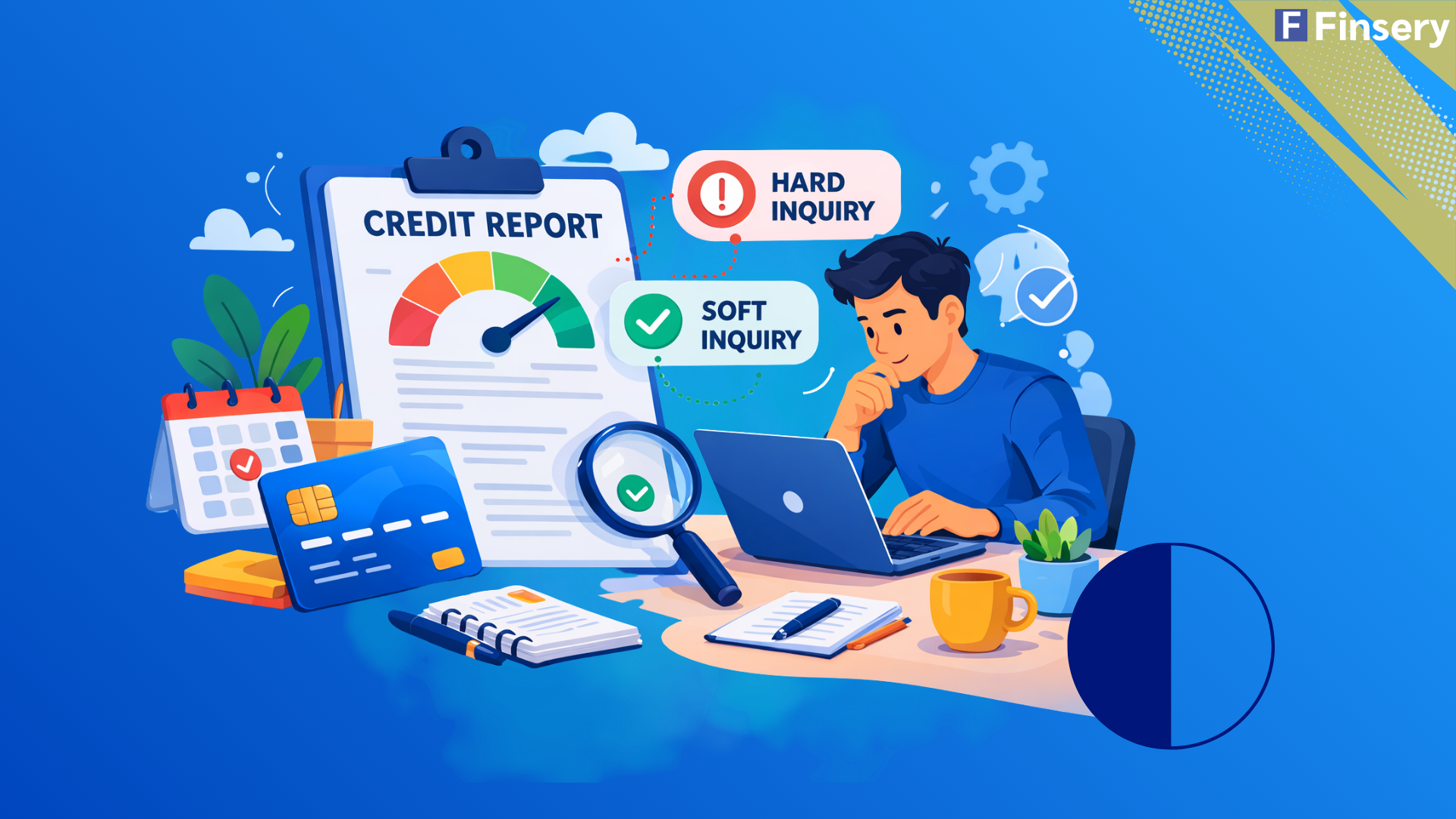 Hard Inquiry vs Soft Inquiry: Differences, Credit Score Impact and How to Minimize Damage. Multiple recent credit applications can be considered as part of an issuer’s assessment of your overall credit profile, particularly when combined with other risk factors such as existing debt or several recently opened accounts. For example, applying for five credit cards within a short period may affect your chances of approval. Consider checking whether an issuer offers prequalification using a soft inquiry, which can help you explore potential options without affecting your credit score, although it does not guarantee approval.
4. Your Income Is Insufficient
A strong credit score alone does not guarantee approval for a credit card. Issuers may consider your income, existing debt, and ability to manage additional payments when evaluating your application. For example, if you earn $3,000 per month but already have substantial monthly debt payments, an issuer may determine that additional credit would create too much repayment risk. An application may also be declined if the income you report cannot be verified or does not meet the issuer’s requirements.
5. You Have Little or No Credit History
When your initial credit card application is rejected, this could mean that you have insufficient credit history, also referred to as thin credit history. You could earn well and owe nothing but still lack sufficient information regarding your borrowing behaviors. Having a thin credit history differs significantly from having bad credit history. While having a thin credit history refers to having very little or no experience with borrowing, having bad credit history implies a past marked by numerous defaults or late payment incidences.
6. Your Credit Report Contains Negative Information
Negative information on your credit reports, such as late payments, collection accounts, or charge-offs, can affect your ability to qualify for a new credit card. The impact depends on factors such as the type, severity, and recency of the information, as well as the issuer’s credit criteria. If you have recent or serious negative information on your credit report, an issuer may consider you a higher-risk applicant. Such entries can stay on your credit reports for many years .
7. Your Existing Debt Is Too High
Some people are denied credit cards even though they have good credit scores. One possible reason is the amount of debt they already carry. An issuer may review your existing financial obligations and determine that additional borrowing would be difficult to manage.
For example:
In this example, the debt-to-income ratio is 65%. This illustrates how existing monthly obligations can take up a substantial portion of income. Credit card issuers do not all use the same debt-to-income requirements, so this example should not be treated as a universal approval threshold.
8. Your Application Contains Incorrect Information
Your credit card application does not necessarily get denied because of your credit score. An application may also be rejected when the issuer cannot verify the information provided. For example, there may be an error in your Social Security number, discrepancies in your identifying information, an outdated mailing address, or inaccurate income information. Make sure the information on your application is accurate and consistent with the information the issuer can verify.
9. You Do Not Meet the Card Issuer's Specific Requirements
Credit card issuers all have different qualifications for approval. Therefore, even if you meet credit requirements, you will not necessarily qualify for approval by any issuer. During evaluation of the application, the issuer considers various details regarding your financial situation. Your application might be denied based upon having multiple new credit accounts or owing money to that particular issuer previously. If you are unsure which types of cards may fit your credit profile, explore our guide to credit score requirements for different credit cards  What Credit Score Do You Need for Different Credit Cards? A Complete Guide
Why Am I Getting Denied for Credit Cards With Good Credit?
Having a good credit score can strengthen your credit profile, but it does not guarantee credit card approval. Issuers evaluate several factors beyond the score displayed in your banking app. You might have a good credit score and still be denied because:
- Your income is insufficient relative to your obligations.
- You have opened too many accounts recently.
- Your credit utilization is high.
- Your credit history is limited or does not provide enough information for the issuer to evaluate your application.
- The issuer uses a different credit scoring model.
- You do not meet a particular card’s eligibility requirements.
For example, someone with a 750 credit score could still be declined if they recently opened several credit accounts, carry high outstanding balances, or do not meet the issuer’s other eligibility requirements. This illustrates why reviewing your overall financial profile is more useful than focusing on your credit score alone.
Another important point is that the credit score shown by a free monitoring service may differ from the score used by a particular lender. Different credit bureaus and scoring models can produce different results. The Consumer Financial Protection Bureau explains that a credit score obtained by a consumer may not be the same score a lender uses.
Does Getting Rejected for a Credit Card Affect Your Credit Score?
Getting rejected for a credit card does not directly lower your credit score, but the hard inquiry associated with your application may affect it. When you apply for a credit card, the issuer generally checks your credit report through a hard inquiry, which can influence your score whether your application is approved or denied. This distinction is important because the rejection itself does not create a separate scoring penalty.
Consider these situations:
| Situation | Potential credit score impact |
|---|---|
| Your application is rejected | No separate scoring penalty for rejection itself |
| The issuer performs a hard inquiry | May temporarily affect your score |
| You check your own credit report | No credit score impact |
| An issuer performs a soft prequalification check | No credit score impact from the soft inquiry |
The Consumer Financial Protection Bureau confirms that hard inquiries may affect credit scores, while soft inquiries do not.
What Happens If Your Credit Card Application Is Denied?
For credit card applications in the United States, federal law generally requires creditors to provide an adverse action notice when an application is denied or other adverse action is taken. The notice explains the principal reasons for the decision. In many cases, creditors must notify applicants of the decision within 30 days after receiving a completed application . The notice may also explain how to request additional information about the decision.
If your credit report was part of the reason your credit card application was denied, the issuer must provide details. Those details include the contact information of the credit reporting agency, the credit score that was used and the fact that you have the right to request a copy of your credit report.
If your application was denied based on information in a consumer report, you can request a free copy of the report from the consumer reporting agency identified in the adverse action notice. Federal law generally gives you 60 days from receiving the notice to request this report.
What to Do After Your Credit Card Application Is Declined
A declined credit card application does not mean you cannot qualify for a credit card in the future. Instead of applying again immediately, take a few practical steps to understand the reason for rejection and address any issues that may affect your eligibility.
Follow this step-by-step process:
- Read Your Adverse Action Notice: Identify the specific reasons your credit card application was denied and understand which factors may need attention.
- Check Your Credit Reports: Review your credit reports for inaccurate balances, unfamiliar accounts, missed payments, and other information that may have influenced the issuer’s decision.
- Dispute Inaccurate Information: If you find errors, submit a dispute to the relevant credit bureau or information provider with supporting documents.
- Review Existing Debt and Credit Utilization: Examine your outstanding balances, available credit limits, and monthly debt obligations to identify areas you may need to improve.
- Make Payments on Time: Pay at least the minimum amount due by each payment deadline and maintain a consistent payment history.
- Check Prequalification Options: Explore suitable credit cards that offer prequalification through a soft credit inquiry, if available, before submitting another formal application.
- Reapply When You Are Ready: Once you have addressed the relevant issues, review the issuer’s eligibility requirements and consider applying for a card that matches your current financial profile.
How to Avoid Credit Card Application Denials
Although credit card approval is never guaranteed, taking a few steps before applying can help you avoid common mistakes and choose a card that better matches your financial situation.
- Check Your Credit Reports Before Applying: Review your credit reports for inaccurate balances, unfamiliar accounts, incorrect payment information, and other potential errors. Checking your own credit reports
does not hurt your credit score. Correcting inaccurate information before applying may help prevent a lender from making decisions based on incorrect data.
- Choose a Card That Matches Your Credit Profile: Research the card’s eligibility requirements before submitting an application. If you are establishing credit for the first time or have a limited credit history, consider starter or secured credit cards rather than immediately applying for premium travel rewards cards with potentially stricter requirements.
- Reduce High Credit Card Balances: Paying down outstanding credit card balances may lower your credit utilization and reduce your existing debt burden. Review your balances and available credit limits to understand your current utilization. Use Finsery’s Credit Card Utilization Calculator Credit Utilization Calculator to see how your reported balances compare with your available credit.
- Check Whether Prequalification Is Available: Check whether the issuer offers a prequalification tool that uses a soft credit inquiry
- Avoid Unnecessary Applications: Apply selectively instead of submitting multiple applications in the hope that one issuer will approve you. Each formal application may result in a hard inquiry, and several recent applications could raise concerns for some lenders. If you have been denied before, review the reasons for rejection and address the relevant issues before applying again.
Frequently Asked Questions
Back to topYou may be denied a credit card because of insufficient income, high credit utilization, existing debt, limited credit history, recent credit applications, or inaccurate application information. Each issuer has its own approval criteria. Review your adverse action notice to understand the specific reasons for your rejection.
A good credit score does not guarantee credit card approval. Issuers also evaluate your income, existing debt, recent credit inquiries, account history, and eligibility for the specific card. Even with a strong credit score, high outstanding balances or multiple recently opened accounts may affect your application.
A credit card rejection itself does not directly lower your credit score. However, the hard inquiry associated with your application may temporarily affect your score. Checking your own credit report or using a prequalification tool that performs a soft inquiry generally does not affect your credit score.
There is no universal waiting period after a credit card application is denied. Before applying again, review the adverse action notice and address the reason for the denial. If the issue was high credit utilization, existing debt, inaccurate information, or too many recent applications, give yourself time to address the underlying issue before submitting another application. You should also review the new card’s eligibility requirements to make sure it matches your current credit profile.
Generally, yes. Under applicable U.S. rules, creditors must provide the specific reasons for denying a credit application or explain how you can request them. This information is commonly provided through an adverse action notice. If your credit report influenced the decision, the notice generally includes information about the credit reporting agency and your right to request a free credit report.
Secured credit cards and certain starter or student credit cards may be more accessible to applicants with limited credit history or difficulty qualifying for traditional cards. A secured card typically requires a refundable security deposit, which often determines the initial credit limit. However, approval is not guaranteed, and eligibility requirements vary by issuer. Compare fees, deposit requirements, and reporting practices before applying.
Start by reading your adverse action notice to identify the reason for the denial. Then, check your credit reports for inaccurate information, review your existing debt and credit utilization, and make upcoming payments on time. If your credit profile needs improvement, address the relevant issues before applying again. You can also check whether suitable cards offer prequalification through a soft credit inquiry.
The content on Finsery is created for informational and educational purposes only and should not be taken as financial advice. While we do our best to ensure accuracy and relevance at the time of publication, details may change over time or vary by individual circumstance. Finsery may earn a small commission when you click on certain links, but our editorial opinions remain independent. See our full disclaimer.
Editorial Note: Finsery content is informational only, not financial advice. We may earn from links; our opinions stay independent. See our full disclaimer.