Does Closing a Credit Card Hurt Your Credit? What to Know Before You Cancel
Does closing a credit card hurt your credit? Learn how canceling a card affects credit utilization, credit history, and your score, plus tips before closing an account.
At Finsery, we provide independent, research-driven financial content. To keep our articles, tools, and resources free for readers, we may receive compensation from companies featured on our site through affiliate links, referral partnerships, or paid placements. This compensation may influence how and where products appear on our site (such as the order or placement of products within categories), but it does not affect our editorial opinions, recommendations, or reviews, which remain based on objective analysis. While we strive to ensure the accuracy and timeliness of all information, Finsery makes no representations or warranties regarding the completeness, applicability, or future availability of any product, service, or offer. Product terms, conditions, and policies are provided by the respective companies and may change without notice. We do not include every company or financial product available in the marketplace. Some offers may be subject to eligibility requirements, approval processes, or geographic restrictions. Your personal circumstances may impact whether a product is right for you. Any compensation received by Finsery does not constitute an endorsement of any company or product. All content is provided for informational purposes only and should not be considered personalised financial, investment, tax, or legal advice. Please consult a certified professional for advice specific to your situation.
Enter your balance, APR, and minimum payment method to see how long minimum payments keep you in debt and how much interest you will pay.
Interest rates shown are general estimates and may vary by card issuer, card type, and current market conditions. These rates are provided for illustrative purposes only and may not reflect the actual rate applicable to your credit card. You can adjust the interest rate below to match your card’s current rate for a more accurate estimate.
Enter how much you currently owe on the card. Use your statement balance, not your credit limit. You can also use the quick-select buttons or slider for common amounts.
Enter the annual percentage rate shown on your credit card statement. Using your actual APR gives a more accurate minimum payment estimate than a typical issuer rate.
Months to payoff (minimum only)
238
Minimum payment issue
What minimum-only payments mean for your debt.
Adjust inputs to see how minimum payments affect your payoff timeline.
Disclaimer: The information provided by this calculator is for educational and informational purposes only and should not be considered financial advice. The results are estimates based on the information you enter and may not reflect the actual terms, interest charges, fees, or payment requirements of your credit card issuer. Interest rates displayed for card issuers are general estimates and may differ from the APR on your specific card. Additional fees, charges, new purchases, or changes to your balance may affect your actual payoff time and total cost. For the most accurate results, use the APR and payment information shown on your current credit card statement. Consider consulting a qualified financial professional regarding your individual financial situation.
Month-by-month breakdown of minimum or fixed payments, interest, and remaining balance based on the values entered in the calculator above.
| Month | Payment | Interest | Principal | Balance |
|---|
A credit card minimum payment calculator shows what happens if you pay only the required minimum each month, or a fixed amount you choose, until your balance is gone. Enter your balance, APR, and payment method, and it estimates how many months payoff will take and how much total interest you will pay along the way.
Minimum payments are designed to keep your account current, not to eliminate debt quickly. Most of each early payment goes to interest, which is why balances can linger for years and cost far more than the original purchase price. Seeing those numbers laid out month by month is often the wake-up call people need before changing their payment habits.
Want to compare strategies? Switch to a fixed payment in this tool, or use our payoff calculator and interest calculator to model higher payments and monthly carrying costs.
A minimum payment calculator turns vague worry into concrete numbers. Instead of wondering why your balance barely moves, you get a realistic timeline and total interest cost to work with.
Each month, interest accrues on your remaining balance. Your payment is applied to interest first; whatever is left reduces principal. With minimum payments, the required amount usually shrinks as the balance falls, which slows progress. With fixed payments, the same dollar amount accelerates payoff as less interest accrues over time.
Each month the calculator recomputes the minimum based on the remaining balance, applies it (capped at balance + interest), and repeats until paid off.
Suppose you owe $5,500 at 21% APR using interest + 1% of balance:
At these inputs, minimum-only payments can take roughly 238 months (nearly 20 years) and cost over $8,500 in interest, far more than many people expect.
Same $5,500 balance at 21% APR, but paying a fixed $170 every month:
It estimates how long it takes to pay off a credit card if you only make minimum payments each month, and how much total interest you will pay. Enter your balance, APR, and minimum payment method to see the timeline.
Issuers use different formulas. A common U.S. rule is interest plus 1% of the balance (with a dollar floor, often $25). Other cards use a flat percentage of the balance. Pick the method closest to your statement or try a few to compare.
Most of an early minimum payment goes to interest. As the balance shrinks slowly, you keep paying interest on a large balance for years. That is why minimum-only plans can cost far more than the original purchase price.
Use our credit card payoff calculator to model fixed payments above the minimum. Even a small monthly increase can cut years off your timeline and save thousands in interest.
Yes. Some percentage-only minimums can be lower than monthly interest at high APRs, which means your balance grows even while you pay. The calculator warns you when that happens.
Results are estimates based on the formula you select. Real minimums may include fees, past-due amounts, or issuer-specific rounding. Use your statement minimum as a cross-check when possible.
Latest credit card guides, tips, and news from Finsery.
Does closing a credit card hurt your credit? Learn how canceling a card affects credit utilization, credit history, and your score, plus tips before closing an account.
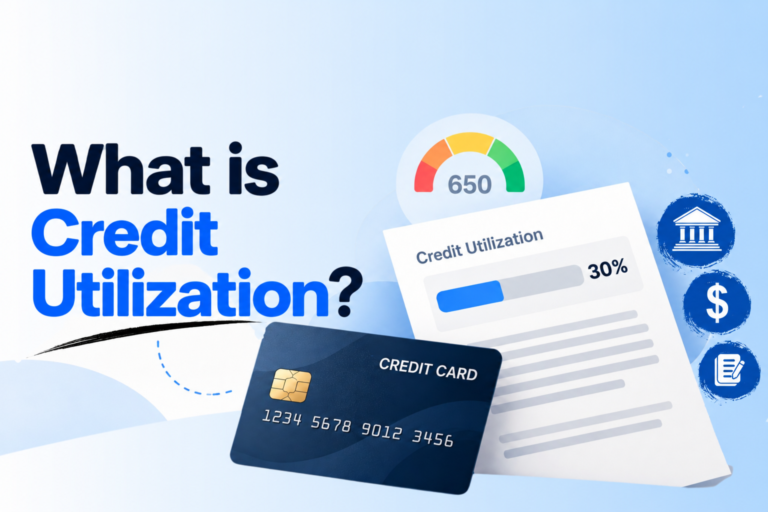
Learn what credit utilization is, how to calculate it, what percentage is good, and how statement balances can affect your credit score.
Credit cards are powerful tools; they offer rewards, protection, and convenience, but they can also trap you in expensive debt. In the U.S., consumers held over $1 trillion in credit card debt…
Wondering what credit score you need for a credit card? The answer depends on the card you want and your overall credit profile. A score that may qualify you for a secured…

Be the first to receive expert financial insights, guides, and product reviews when our newsletter launches. Stay ahead with smarter financial decisions.
By clicking "Subscribe," you agree to join our early access list and accept our Privacy Policy and Terms of Use . You may unsubscribe at any time.