
What is a Credit Card Interest and How Does It Work? A Simple Guide

Updated:
6 min read
Finsery Editorial Team Finsery Editorial Team

Credit card interest is the cost of borrowing when you do not pay your full statement balance by the due date. It is calculated based on your card’s Annual Percentage Rate (APR) and outstanding balance, rather than as a flat fee. Understanding how interest charges, APR, billing cycles, and minimum payments work can help you avoid extra fees and reduce your overall credit card costs.

How Does Credit Card Interest Work?

Most US credit cards use the Average Daily Balance (ADB) method to calculate interest. Each day, your issuer records the amount you owe. At the end of the billing cycle, all daily balances are summed and averaged. The issuer then applies your daily APR to that average balance to determine how much interest you owe. Unlike installment loans with fixed monthly charges, credit cards use a revolving balance system, so you are charged only if you do not pay your full statement balance by the due date. The process works as follows:

The Annual Percentage Rate (APR) reflects your yearly borrowing cost, but credit card interest accrues daily. Issuers divide the APR by 365 to determine the daily periodic rate, which sets the daily charges on your balance.

Example: A 24% APR ÷ 365 = 0.065% per day. While that number seems small, daily charges accumulate quickly over a full billing cycle.

Card issuers track your balance each day, not just at the end of the month, and every transaction, including purchases, payments, refunds, and fees, affects it. Making a large purchase early in the billing cycle results in a higher balance for a longer period, which may increase borrowing cost charges if you fail to pay the balance by the due date.

The daily periodic rate is multiplied by your average daily balance to calculate interest charges. Unpaid interest is added to your balance, and future borrowing cost is calculated on this higher amount. This process, known as compounding, can significantly increase the total amount you owe over time.

Most purchase interest charges can be avoided by paying your full statement balance by the due date. This maintains your grace period and typically prevents APR cost on new purchases.

What is APR on a Credit Card?

Annual Percentage Rate is the yearly cost of borrowing money on your credit card. Even though it’s shown as an annual rate, the charges are actually calculated daily. Your credit card’s APR affects how much it costs to carry a balance.

What is Credit Card Interest

In the U.S., credit card APRs are generally higher than those of other loan types. As a result, credit cards are better suited to short-term expenses than to long-term borrowing. Most credit cards have more than one APR, and each one applies to different actions you take with your card.

Types of Credit Card Interest in the U.S.

Transaction type Category of use APR range
Cash Advance ATM withdrawals 25%–35%
Penalty Late payments >29%
Balance Transfer After promos end 15%–29%
Purchase Regular spending 15%–29%
Intro Promotional period 0%

Credit cards usually have multiple APRs, each linked to a specific transaction type. Knowing these rates can help you avoid surprise credit card charges and manage your account more effectively.

Cash Advance

The cash advance APR applies when you withdraw cash from an ATM or make a similar transaction with your credit card. This rate is typically the highest, often between 25% and 35%. Charges apply immediately, with no grace period, making cash advances one of the most expensive credit card transactions.

Penalty

A penalty APR may apply if you miss or make late payments. This rate can exceed 29% and may remain in effect for several months or longer, depending on the issuer’s terms. It significantly increases borrowing costs and makes it more difficult to pay down your balance.

Balance Transfer

The balance transfer APR applies after any promotional period ends. Many cards offer an introductory 0% APR on transferred balances for a limited time, but the standard rate usually ranges from 15% to 29%. If you do not pay off the balance during the promotional period, interest charges will accrue at the higher rate.

Purchase

The purchase APR applies to everyday credit card spending, such as shopping, dining, and paying bills. This rate typically ranges from 15% to 29%. Paying your full statement balance by the due date usually allows you to avoid interest charges due to the grace period.

Introductory

A temporary promotional rate, often 0%, is offered for a set period on purchases, balance transfers, or both. After the promotional period, the APR increases to the standard rate. Knowing the length of the introductory period helps you avoid unexpected interest charges.

Why is Credit Card Interest So Expensive?

Credit card interest rates are among the highest in consumer lending because these products are intended for short-term convenience rather than long-term borrowing. Carrying a balance from month to month can quickly become costly because of how credit cards are structured and priced.

  • Credit Cards Are Unsecured Loans: Unlike mortgages or auto loans, credit cards do not require collateral. Lenders charge higher Annual Percentage Rates (APRs) to compensate for the increased risk of missed or defaulted payments.
  • Convenience and Built-In Benefits Raise Costs: Credit cards offer instant access to funds, flexible repayment options, fraud protection, and rewards programs. While these features benefit cardholders, they also raise issuer costs, which are reflected in higher interest rates.
  • Pricing Encourages Short-Term Use: Credit card pricing discourages carrying a balance. Paying your statement balance in full each month avoids credit card charges, while carrying a balance results in daily interest compounding. Late or missed payments may also trigger higher penalty APRs, making long-term borrowing particularly costly.

Finsery pro tip

In 2024, Average Americans  were charged roughly $160 billion in credit card interest — according to the CardRates — highlighting how costly carrying a balance can be and why paying in full each month can save money.

Best Practical Ways to Avoid Credit Card Interest Charges

Avoiding credit card interest is a simple way to save money. Since interest accrues daily and APRs are high, even small balances can increase rapidly. Here are a few best practical ways:

Best Practical Ways to Avoid Credit Card Interest Charges

1. Be Cautious with No-Cost EMI Offers

No-cost EMIs may involve hidden charges, such as processing fees or increased product prices. Even if credit card charges are not initially disclosed, you could end up paying more overall. Review the total payment amount before choosing an EMI.

2. Avoid Credit Card Cash Advances

When you take a cash advance, interest starts accruing right away, and there is no grace period. Cash advances also tend to have higher APRs than regular purchases and additional fees. These extra costs make cash advances one of the most expensive ways to use your credit card.

3. Track Statement and Due Dates

The closing date on your statement is just as important as the payment due date when managing credit card charges. Purchases made right after your statement closes will be reflected in the next billing cycle, giving you extra time before payment is due. This timing can help you maximize your interest-free grace period, which is particularly beneficial for larger purchases.

4. Set Up Auto-Pay for the Full Statement Balance

Setting up auto-pay for your full statement balance helps you avoid missed payments and late fees. Your credit card bill will be paid on time every month, even if you forget the due date. Make sure to select the full balance option instead of just the minimum payment so you won’t incur extra charges.

5. Pay Your Full Statement Balance Every Month

If you pay your full statement balance by the due date, you keep your grace period and avoid interest charges. Even with a high APR, paying in full means you won’t owe any interest. This way, your credit card stays a convenient way to pay rather than an expensive way to borrow.

Frequently Asked Questions

Yes, Paying only the minimum due keeps your account in good standing and helps you avoid late fees, but it does not stop interest from being charged. Any unpaid portion of your statement balance continues to accrue, often on a daily basis. In many cases, you may also lose your grace period.

No, credit cards don’t always charge interest every month. You only pay the charges if you carry a balance after the grace period. If you pay your full statement balance by the due date, you won’t get charged any interest.

Carrying a balance does not help your credit score and will only lead to interest charges. In some cases, your credit score might even go down. It is better to pay your balance in full.

Yes, balance transfers can have interest; it depends on the offer. Many credit cards provide a 0% introductory APR on balance transfers for a limited promotional period. During that time, you won’t pay interest on the transferred amount. However, Some balance transfer offers may also include a transfer fee, typically a percentage of the amount moved, which adds to the overall cost.

Usually, credit card interest cannot be taken off. Some companies might give a one-time waiver if you have a good payment record or if there was a mistake, but this does not happen often. The best way to avoid interest is to pay your full balance on time.
What is a Grace Period on a Credit Card and How Does It Help You Save Money?

Updated:
6 min read
Finsery Editorial Team Finsery Editorial Team

The grace period is the time between your statement date and your payment due date during which no interest accrues. You can pay your statement balance during this period without incurring interest. This feature offers valuable flexibility for repaying your balance.

In the U.S., grace periods typically range from 21 to 25 days. These periods apply only to standard purchases, not to cash advances, balance transfers, or any transaction where interest accrues immediately.

How the Grace Period Works in a Billing Cycle

Your credit card is billed monthly, not only on the payment due date. Each billing cycle includes an interest-free window that determines whether your purchases remain interest-free or begin accruing interest. Understanding the relationship between these dates is crucial for avoiding unnecessary interest charges

On the purchase date, you can use your credit card. Each purchase counts towards your current billing cycle. Purchases made early in the cycle receive more interest-free days than those made closer to the end.

The statement closing date is a significant milestone for your account. On this date, your card issuer finalizes the billing cycle and aggregates all transactions. This total becomes your statement balance, and the grace period subsequently commences.

This starts immediately after the statement closes. This interest-free window lasts from your statement date to your due date. Paying the full statement balance during this time avoids interest charges on purchases.

This period typically lasts at least 21 days on most cards, according to guidance from the Consumer Financial Protection Bureau.

On the payment due date, you use your credit card. Each purchase enters your current billing cycle. This is the final day to pay your statement balance to keep purchases interest-free. Paying only the minimum or paying late may result in losing your grace period, which affects how interest is applied in the future

If the statement balance is not paid in full by the due date:

  • Interest adds up every day.
  • It is calculated using your credit card’s APR and average daily balance.
  •  New purchases may no longer get a interest-free window.

Many users are unaware that losing the grace period can cause interest to add up from the purchase date, not just after the due date.

Understanding the credit card billing cycle helps you avoid interest, plan purchases, and use your credit card as a short-term, interest-free payment tool rather than accumulating revolving debt.

When the Grace Period Does Not Apply

The credit card grace period allows you to avoid interest on eligible purchases; however, not all transactions qualify. Most cards apply the grace period only to standard purchases, while other transactions may accrue interest immediately.

Transaction Type Grace Period Interest Behavior
Purchases Yes Interest avoided
Cash Advances No Interest starts immediately
Balance Transfers Usually no Depends on promo terms
Some Promotions Not true grace Interest may be deferred

Understanding these exceptions is crucial to avoiding credit card interest charges.

  • Purchases: Foreign transactions are treated as standard purchases and may qualify for the credit card’s interest-free benefit if you pay the full statement balance on time. Foreign transaction fees and currency conversion charges may still apply and are separate from interest charges. If you have lost your grace period by carrying a balance, interest on these transactions will accrue immediately.
  • Cash Advances: Withdrawing cash from your credit card at an ATM, at a bank, or by using convenience checks is considered a cash advance. These transactions do not have a grace period, and interest begins accruing immediately, making them more expensive than regular purchases.
  • Balance Transfers: Moving debt from one credit card to another is a balance transfer. Unless a 0% promotional offer applies, interest typically starts accruing immediately. Even with a promotion, transferred balances follow different interest rules and do not receive a standard grace period.
  • Some Promotional Offers: Certain “no interest” financing offers do not provide a regular grace period. Instead, interest is deferred until a set deadline. If the balance is not paid in full by that date, all accumulated interest may be charged at once, making these offers riskier than standard interest-free periods.

Grace Period vs Due Date: Understanding the Key Difference

Grace Period on a Credit Card


The grace period and the payment due date are often mistaken for the same; however, they serve distinct functions within the credit card billing cycle. This misunderstanding may lead to unexpected interest charges, even when payments are made on time. Clarifying the distinction between the grace period and the due date can help cardholders avoid unnecessary interest fees and late charges.

The grace period relates to interest, while the due date is when your payment is due. They are linked, but not the same thing.

Feature Grace Period Due Date
Main Purpose Interest-free window on purchases Final day to make at least the minimum payment
What It Protects You From Credit card interest charges Late fees and penalty APRs
When It Starts Right after the statement closing date Set calendar date each billing cycle
When It Ends On the payment due date Same date each month
What Happens If Missed Interest begins accruing on purchases Late fee charged and possible credit score impact
Eligibility Only if previous balance was paid in full Applies to all cardholders every month

What Happens if You Miss the Grace Period

It’s important to be mindful of your credit card’s grace period! If missed, you could see interest accrue more quickly than expected. By not paying the full statement balance by the due date, you forfeit the interest-free advantage, turning your card from a short-term, cost-free option into revolving debt. Staying on top of your payments can really help you manage your finances positively!.

The following outlines the subsequent steps in the credit card interest timeline:

  • Daily Interest Begins: Interest is calculated daily based on your average daily balance. Each day you carry a balance, additional interest accrues.
  • Your APR Is Applied: Your card’s Annual Percentage Rate (APR) is converted to a daily rate and applied to your balance. Since many credit cards have APRs above 20%, even small balances can increase rapidly.
  • Your Statement Balance Grows: As interest accrues on your existing balance, the total amount owed increases. If you continue to carry a balance, future interest is calculated on this higher amount.
  • The Debt Snowball Effect: At this stage, compounding works against you. Interest accrues on prior interest, making it more difficult to pay off your balance over time. A manageable amount can become long-term debt if not addressed promptly.

If you miss the grace period, your account enters an interest-accruing cycle. Paying the full statement balance on time is essential to avoid ongoing credit card interest.

Practical Tips to Maximize Your Credit Card Grace Period

Understanding a credit card’s grace period is just the first step. Using it effectively can help you avoid interest charges. Experienced cardholders view the grace period as a timing tool, not just a window for making payments. Here are some strategies to maximize its benefits.

Practical tips to maximize your credit card grace period
Image by Freepik

1. Plan Large Purchases at the Start of Your Billing Cycle

The timing of your purchase significantly influences your interest-free period. When you make a purchase just after your statement closing date, you can take advantage of nearly a full billing cycle plus the grace period, potentially extending your interest-free period to almost 50 days before interest begins to accrue.

This strategy not only maximizes your interest-free period but also provides ample time to pay without incurring additional costs. It’s a powerful approach to enhancing your cash flow and effectively avoiding interest charges.

2. Automate Full Statement Balance Payments

Setting up automatic payments for your full statement balance, rather than just the minimum due, helps you maintain your interest-free period each month. Paying in full by the due date prevents new purchases from accruing interest, while missing a full payment can result in immediate interest charges. Automation also reduces the risk of late fees, preserves your eligibility for interest-free purchases, and encourages responsible credit use. In summary, automating payments makes interest avoidance a reliable process instead of a monthly task to remember.

3. Avoid Cash Advances Whenever Possible

Cash advances do not qualify for a grace period, so interest accrues immediately upon withdrawal, often at a higher Annual Percentage Rate (APR) than for regular purchases.

Using a credit card for cash can rapidly eliminate the benefits of your grace period. If you need funds, explore better options, such as debit withdrawals or more cost-effective borrowing alternatives.

Frequently Asked Questions

No. If you carry a balance from the previous billing cycle, most card issuers remove the grace period on new purchases, and interest may start accruing immediately.

Even if you paid by the due date, interest may still be charged if you did not pay the full statement balance or if you lost your grace period in a previous cycle. This can happen even when there is no late fee.

No. Purchases made earlier in the billing cycle get more interest-free days than those made right before the statement closes.

Most cards provide at least 21 days between the statement date and the due date, though the total interest-free time can be longer depending on when a purchase is made.

No. Paying only the minimum keeps the account from being late but usually causes you to lose your interest-free grace period.

They may start accruing interest immediately until you fully pay off the balance and restore your grace period.


Why the Average American Overpays Hundreds in Credit Card Interest Every Year

Published:
6 min read
Finsery Editorial Team Finsery Editorial Team

Each year, millions of Americans pay hundreds or even thousands of dollars in credit card interest. The real problem is not spending too much, but how credit card interest piles up, how balances grow, and how Americans misunderstand the hidden mechanics of the revolving debt trap. This money could cover essential expenses or contribute to savings, yet many do not notice the costs until after the payment.

According to Federal Reserve and Federal Financial Institutions Examination Council (FFIEC) data, Americans paid around $254 billion in credit card interest and fees. The average per-account amount was approximately a hundred dollars, excluding those with higher balances who pay significantly more each year.

Understanding why this occurs and how to avoid it can help cardholders save their money. Finsery helps you identify potential pitfalls and manage your credit card debt effectively.

Credit Card Interest Rates: Where Borrowers Feel the Most Financial Pain

Credit card debt remains a significant issue in the United States. Total revolving balances have reached about $1.23 trillion, based on data from the Federal Reserve Bank of New York. While the New York Fed does not report average individual balances, credit reporting agencies estimate that the average American has around $6,000 in credit card debt. This shows how common and expensive revolving debt has become.

At the same time, the average credit card interest rate on balances that incur interest remains above 22%, far higher than most other consumer loans. That means every $1,000 carried could cost more than $220 in interest per year if not paid down. For many households, especially those relying on credit cards for daily expenses or emergencies, this results in hundreds of dollars in annual interest. Since nearly half of Americans carry a balance month to month, these costs impact millions nationwide.

In short, credit card interest rates often cause the most financial strain due to high APRs, daily compounding, and revolving balances. Understanding these costs is essential for reducing debt and minimizing interest payments.

Why Does Credit Card Interest Accumulate Faster than Expected

Many Americans are unaware of how quickly credit card interest charges accumulate. This growth results not only from the annual percentage rate but also from the methods banks use to calculate interest, the structure of billing cycles, and how balances are carried over from month to month.

Credit card APR sounds like an annual cost, but interest is calculated daily. Banks divide your APR by 365 to determine the daily rate, which is applied to your balance each day.

Many people misunderstand how the credit card grace period works. Most cards provide a grace period of 21 to 25 days, allowing you to avoid interest on new purchases if you pay your statement balance in full.


If you carry any balance from the previous billing cycle, you lose your grace period. Interest will then accumulate immediately on both existing and new purchases. Paying on time does not prevent interest charges unless you pay the full statement balance.


Making only the minimum payment keeps your account current but does little to reduce your debt. Most of the payment covers interest, with only a small portion applied to the principal.

Trailing interest is another factor in credit card interest costs. Even after paying your balance, you may see an interest charge on your next statement because interest accrues between the statement date and the payment processing date.


Many cardholders are unaware that this is part of how banks calculate credit card interest, which can lead to unexpected charges. Although these amounts are often small, they increase the total cost of debt and can be frustrating for those aiming to pay off balances in full.

Revolving Credit Trap that Keeps Americans Paying Interest Forever

Credit cards operate on a revolving credit system, allowing balances to carry over from month to month instead of requiring fixed repayments. Although this offers flexibility, it can also lead to forever debt and accumulating interest.

Credit trap that keeps Americans paying interest forever

A revolving credit trap arises when the full statement balance is not paid. Interest compounds daily, and payments are applied to interest before the principal. Paying only the minimum and continuing to make purchases slows debt repayment and can lead to substantial interest costs over time.

This cycle results primarily from the design of the credit system rather than from individual financial habits, as balances decrease slightly while available credit increases, which can encourage additional spending even as debt continues to grow. Even when paying only the minimum, restricting new charges, and prioritizing repayment of statement balances, many individuals still incur interest charges every month.

How to Break the Revolving Credit Trap

Escaping the revolving credit trap does not require drastic changes; it requires the right strategy. Making minor, consistent adjustments in how you pay and use your card can significantly reduce interest over time. The goal is to move from just keeping up with payments to actively lowering your balance and preventing new interest charges. The following steps can help you take control:

  • Whenever possible, pay the full statement balance to eliminate new interest charges and maintain your grace period.
  • If paying in full is not feasible, make payments at least exceeding the minimum amount. Additional payments can accelerate the reduction of the balance and decrease the total interest paid.
  • Avoid new credit card purchases while repaying existing debt to prevent further increases in your outstanding balance.
  • Set up automatic payments to avoid late fees and potential increases in your annual percentage rate (APR) due to missed payments.
  • Monitor your statement closing date to understand when interest charges may be assessed.
  • Consider a 0% APR balance transfer to pause interest charges while you repay debt, as long as you have a clear payoff plan.
  • Use debit cards or cash for routine expenses until the credit card balance is under control.

Best Smart Credit Card Habits to Stay Interest Free

Avoiding credit card interest requires consistent financial habits. Cardholders who use structured credit practices are less likely to fall into debt cycles or incur recurring interest charges. These five smart credit card habits can help you stay interest-free and maintain control over your finances.

Best smart credit card habits

1. Use Your Credit Card Like a Debit Card

Spend only what you can pay in full when your billing statement arrives. This approach keeps your balance manageable and prevents purchases from turning into long-term debt. Relying on available cash instead of future income lowers the risk of carrying a balance and incurring interest. This habit is one of the most effective ways to avoid credit card debt and maintain zero borrowing costs.

2. Track Your Statement Closing Date

Many people focus only on the payment due date, but the statement closing date is equally important. It determines your reported balance, impacts your credit utilization, and affects your grace period. Paying down your balance before the statement closes can reduce your reported debt and help you avoid unexpected interest charges.

3. Keep Credit Utilization Below 30%

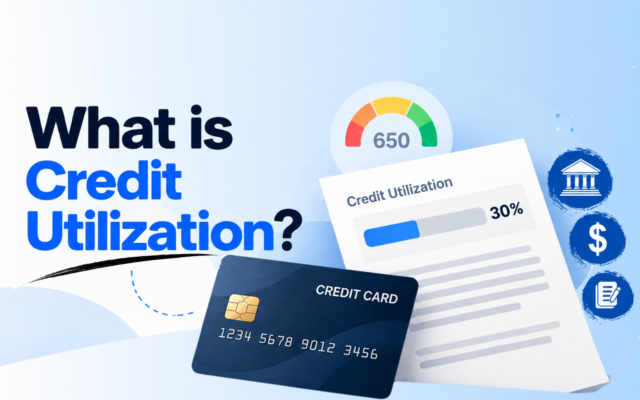
Credit utilization, which is the percentage of your credit limit you use, directly affects your credit score and financial risk. Keeping utilization below 30% makes balances easier to pay off and reduces dependence on revolving debt. Lower balances also result in less money accruing daily interest if a balance remains.

4. Review Your Statement Every Month

Reviewing your statement each month helps you quickly identify interest charges, billing errors, duplicate transactions, or fraud. This habit also keeps you aware of balance changes and prevents minor issues from becoming costly problems.

5. Aim to Pay the Statement Balance in Full

Paying the full statement balance, rather than just the minimum, keeps your grace period active and prevents interest from accruing on new purchases. This is the most effective way to keep interest at zero. If you cannot pay the whole amount in one month, prioritize returning to full payments as soon as possible.

Credit card interest can feel overwhelming, but you can manage it. When you know how your balance grows and where extra charges come from, you gain more control over your money. Making small, steady changes in how you pay, spend, and track your statements can make a big difference.

At Finsery, we want to help you avoid fees and feel more confident about your finances. If you stay informed, pay with purpose, and build good habits, your credit card can become a useful tool.


Foreign Transaction Fees Explained: How to Avoid Extra Charges When You Travel Abroad

Published:
6 min read
Finsery Editorial Team Finsery Editorial Team

A foreign transaction fee is charged by your bank or credit card issuer when a purchase is processed outside the country or billed in a foreign currency. Typically ranging from 1% to 3% of the transaction amount, this fee is added to the exchange rate and often appears as a separate line item on your credit card statement, which can make it easy to overlook.

Foreign transaction fees often consist of two parts. One portion should be charged to your card issuer, such as Chase, Capital One, Bank of America, or Citi. The other portion will come from the payment network, including American Express, Discover, Mastercard, or Visa.

Many consumers do not realize this fee can apply even when there is no international travel. You will be charged a foreign transaction fee when shopping on international websites, subscribing to foreign-based services, or purchasing from global marketplaces if a non-U.S. bank processes payment. Even if prices are listed in dollars, the transaction may still be classified as a foreign transaction.

How Do Foreign Transaction Fees Work?

Foreign transaction fees are based on how your payment is processed in the global banking system, not on your physical location. When you use your credit card, the payment is routed through a network like Visa or Mastercard and processed by one or more banks. If any step in this process occurs outside the U.S, your purchase may be treated as a foreign transaction and incur a foreign transaction fee.

Foreign transaction fees may apply under several conditions:

  • When you use your credit card while traveling in another country
    If you buy something in another country, the payment usually goes through a foreign bank and is processed in a different currency. As a result, your credit card company may treat it as a foreign transaction and charge a fee.
  • When you shop online inside the country
    Even if you’re in the U.S., the store’s payment processor or bank might be in another country. If your payment is routed internationally, your card issuer may still charge a foreign transaction fee, even if the price is in U.S. dollars.

Is Foreign Currency the Same as a Currency Conversion Fee?

Foreign transaction fees and currency conversion fees are separate charges. Card issuers apply foreign transaction fees to purchases made outside the U.S., while currency conversion fees apply when funds are exchanged between currencies. Both fees may apply to a single purchase. For example, if you buy an item in a foreign currency, the card network converts the amount to U.S. dollars, and your bank may add a foreign transaction fee. Some merchants offer payment in your home currency, but this often results in a less favorable exchange rate and additional charges. Understanding these fees can help you save money and make informed payment decisions when shopping or traveling abroad.

Why Can You Be Charged Without Traveling Abroad?

Many assume foreign transaction fees apply only when traveling abroad, but they can also apply to purchases made in the United States.

Why can you be charged without traveling abroad

Foreign transaction fees depend on how your payment is processed, not your location. You might see these fees in situations like:

  • Shopping on international websites: Purchases from stores or payment processors outside the U.S. may be processed as international transactions.
  • Paying for foreign-based streaming or software subscriptions: Some digital services and cloud platforms bill through companies located outside the U.S., regardless of where you use them.
  • Purchasing from global marketplaces: Payments to international sellers may be processed through banks outside the U.S.
  • Completing a transaction with a non-U.S. payment processor: Companies using foreign payment systems may classify your purchase as a foreign transaction.
  • Paying in a foreign currency, even online: Payments in currencies other than U.S. dollars typically require conversion by your bank, which may result in a fee.

How Much Are Foreign Transaction Fees?

Foreign transaction fees are typically a percentage of what you spend. Most U.S. credit card companies that charge this fee use a rate between 1% and 3%. Even though this may seem small, it applies to every international purchase, so the costs can add up quickly.

Here’s an example to show how foreign transaction fees work with common U.S. credit card companies when the fee applies:

Typical Foreign Transaction Fee Breakdown

Bank / Card Issuer Network Fee Issuer Fee Total Fee On $100 Purchase
Captial One – – – –
Discover – – – –
American Express Included ~2.7% ~2.7% $2.7
Bank of America ~1% ~2% ~3% $3
Chase ~1% ~2% ~3% $3
Citi ~1% ~2% ~3% $3
PNC ~1% ~2% ~3% $3
U.S. Bank ~1% ~2% ~3% $3

How Does This Affect Your Spending?

  • If your card has a 3% foreign transaction fee, you will pay an additional $3 for every $100 spent.
  • One international trip or a year of online purchases abroad could result in fees of $50 to $100 or more.
  • Some credit card companies, like Capital One and Discover, don’t charge foreign transaction fees on any of their cards.

These fees apply only if your card charges a foreign transaction fee. Many banks offer travel or premium cards without this fee, which can help you save money when shopping internationally or traveling abroad.

How to Avoid Foreign Transaction Fees?

If you want to avoid foreign transaction fees, choose a credit card that doesn’t charge them. Many travel and rewards cards skip the usual 1% to 3% fee, so you’ll only pay the exchange rate when you buy something abroad. When you travel, pay in the local currency to avoid extra fees, and limit ATM withdrawals to reduce additional fees. Before your trip, check your card’s fee details so you don’t get any surprise charges and can save money.

To avoid foreign transaction fees, use a credit card that does not charge them. Many travel and rewards cards waive the typical 2% to 3% fee, allowing you to pay only the card network’s exchange rate. These cards usually offer the same rewards, protections, and benefits as standard credit cards. Selecting the right card before you travel can help you save on international purchases.

When shopping abroad, pay in the local currency. This lets Visa or Mastercard convert your funds at a competitive rate. Paying in U.S. dollars can add markups. Using local currency increases price transparency and reduces hidden fees.

Dynamic currency conversion happens when a merchant or ATM offers to charge you in U.S. dollars instead of the local currency. While this may seem convenient, it often includes hidden fees. Declining DCC lets your card network process the exchange at a better rate and helps you avoid extra costs.

Withdrawing cash from foreign ATM’s often results in high foreign transaction fees. To minimize costs, withdraw larger amounts less often and plan withdrawals in advance. When possible, use your card for purchases instead of cash withdrawals.

Some banks offer debit cards that refund international ATM fees, helping you save money when accessing cash abroad. If you travel frequently, these refunds can be significant. Before your trip, check whether your bank provides this benefit.

If you plan to travel or shop in another country, take a moment to check the terms for your credit and debit cards. This way, you’ll know about any fees ahead of time. Some cards have foreign transaction fees, but others don’t. Looking over your options now can help you pick the best card for your trip. Staying informed is a simple way to keep your money safe.


Most of the time, you cannot get foreign transaction fees back because they are built into the card’s terms. But you might get a refund if the fee was charged by mistake, if the purchase was wrongly marked as a foreign transaction, or if your card says it does not have these fees. Always call your card company if you see a charge that should not be there.

Can Foreign Transaction Fees Be Claimed as a Tax Deduction?

Foreign transaction fees usually cannot be deducted for personal expenses. However, you may be able to deduct them if they are for legitimate business purposes tied to earning taxable income.

When foreign transaction fees are not deductible

Foreign transaction fees on personal spending are not deductible under Internal Revenue Service (IRS) guidance. This includes fees from vacation travel, international online shopping, or personal subscriptions to foreign-based services. Since these expenses are not related to income-producing activities, they cannot be deducted.

When foreign transaction fees may be deductible

Foreign transaction fees may be deductible if they are directly related to business activities. Fees incurred when paying foreign vendors, purchasing international software or cloud services for work, or covering business travel expenses in foreign currency may qualify as ordinary and necessary business expenses. Currency exchange fees associated with business payments may also be deductible. These fees are typically recorded as bank fees, merchant processing charges, or travel and operating expenses when filing business taxes.

Important note: Foreign transaction fees do not qualify for the foreign tax credit because they are treated as bank service charges rather than foreign income taxes.

Frequently Asked Questions

No, not all credit cards charge foreign transaction fees. Many travel and international credit cards do not charge these fees, including all Discover cards and some Capital One, Chase, and Bank of America cards. If you travel or shop online from other countries, picking cards with no foreign transaction fees helps you avoid paying more.

You may be charged a foreign transaction fee when using your card abroad or buying from international websites and subscriptions processed outside the U.S., even if prices are in U.S. dollars. Sometimes the fee applies because the payment processor is outside the United States.

When you use cards in other countries, credit cards are usually better. They protect you more from fraud, do not take money straight from your bank account, and often do not charge foreign transaction fees. Debit cards may charge these fees, plus extra fees for using ATMs in other countries or banks, so they can cost more when you travel.

Most debit cards charge foreign transaction fees, and these are often higher than the fees for credit cards. Usually, you’ll pay between 1% and 3% for each purchase or cash withdrawal made outside the U.S. or through a foreign bank. If you use an ATM abroad, the operator may charge you $3 to $5, and your bank might also add an out-of-network ATM fee. When you add up these costs, using a debit card overseas can end up being more expensive than using a credit card.


What is a billing cycle and How does it work? A Complete Beginner’s Guide

Updated:
6 min read
Finsery Editorial Team Finsery Editorial Team

A credit card billing cycle is the period between statements, during which your credit card issuer tallies all your charges, payments, fees, and credits in one transaction. It runs 28 to 31 days, depending on the card issuer, and every primary credit card rule, interest rate, grace period, and reporting depends on this cycle. Think of it as your card’s own financial month, where every transaction you make is recorded to your following statement.

Each billing cycle has three anchor points:

1. Billing cycle start date
The day your new billing period begins. Any transaction made after this date belongs to the new cycle.

2. Billing cycle end date or statement closing date
The statement closing date is the day your card issuer finalizes all your transactions for that cycle. Your reported balance is taken on this date, and this balance appears on your credit report.

3. Credit card statement creation
After the statement closing date, your card issuer generates your monthly bill statement. This statement lists all credit card transactions during the cycle and shows the amount you must pay to stay interest-free.

Learning these three key points will help you understand how your spending and payments appear on your credit card statement, how the grace period works, and how your credit score can change.

What is a billing cycle and How does it work

How do credit card billing cycles work

Each billing cycle begins on a cycle start date and ends on a statement closing date. On the closing date, your issuer generates your billing statement, which shows the balance you owe for that cycle. Here is how billing cycles work step by step.

A new cycle begins the moment the previous cycle closes. Any purchase or payment made from this point is recorded for the next statement. Each month allows you for renewal and a fresh start.

Throughout the billing cycle, your issuer tracks all the transactions you make with your credit card. Everyday purchases, payments, refunds, credits and balance transfers can quickly add up. The running total, or new balance, appears as the statement balance.

The closing date is the key date in your billing cycle, as your issuer records your balance on this day. This due balance becomes your statement balance and is reported to credit bureaus. A high balance on the closing date increases your credit utilization, even if you intend to pay it off the next day.

Your statement will be generated shortly after the closing date. It will show your total balance, minimum payment due, and the due date. Once the statement is issued, the amounts listed will not change.

The payment window opens when your statement is generated and closes on the due date. Paying your full statement balance during this time keeps your purchases interest-free under the grace period.
Many people misunderstand this rule. The grace period applies only if you paid your previous statement balance in full. If you carry any balance into the new cycle, the grace period is lost and new purchases accrue daily interest. Paying on time does not prevent interest charges if the previous cycle was not paid in full.

Statement closing date vs Payment due date

Many beginners confuse the closing date and payment due date, often assuming only the due date affects interest charges and credit scores. In fact, each date serves a distinct purpose and impacts your credit differently. The statement closing date marks the end of your billing cycle, while the payment due date typically occurs three to four weeks later.

Statement Closing Date Overview

This is the date your card issuer finalizes your monthly billing. It determines the following:

  • The statement balance.
  • The reported credit utilization.
  • The status of the grace period.
  • The amount officially billed for the cycle.

Payments made before the closing date reduce your reported balance. Purchases made just before the closing date decrease your interest-free period.

Payment Due Date Overview

The due date is the deadline to pay the amount owed from your statement. It determines the following:

  • Whether you avoid late fees.
  • Whether you avoid a penalty APR.
  • Whether you paid in full within the grace period.

The due date does not impact your reported utilization for the month, as credit bureaus receive account data based on the closing date.

The table below summarizes how these two dates affect your credit, interest, and payments.

Category Statement Closing Date Payment Due Date
Primary purpose Finalizes all activity for the billing cycle Deadline to pay the amount shown on your statement
Impact on credit score High. This balance is sent to credit bureaus None. Reporting is already done
What gets locked in Statement balance, utilization, reported balance, grace period status Nothing gets reported on this date
Effect on interest Decides if next cycle purchases remain interest free Decides if you keep your grace period by paying in full
Pay before this date Lowers your reported balance and utilization Prevents late fees, but does not change your reported balance
Pay after this date No change to what was reported Still required to pay full statement amount to avoid interest
Risk of missing it High utilization recorded for the month Late fees, penalty APR and loss of grace period
Core role Controls reporting and credit score outcomes Controls penalties and interest outcomes

Financial Impact of Confusing these Two Dates

Many people wait until the due date to pay, believing this is sufficient. However, if the closing date passes with a high balance, reported utilization increases, and even a small remaining balance can end the grace period. As a result, interest may be charged even if payment is made on time.

How billing cycles affect your interest and credit score

Your credit card billing cycle is more than just a monthly statement period. It sets the timing of when interest begins, the length of your grace period, and which balance is reported to the credit bureaus. If you know how these parts work together, you can avoid unexpected interest charges and maintain a better credit score with the same spending habits.

How billing cycles affect your interest and credit score

Here are the six most important ways your billing cycle affects both interest and your credit score.

1. Billing cycle controls when interest charges are applied.

Most credit cards offer a grace period that lets you avoid interest on purchases if you meet specific conditions. If you pay your previous statement balance in full, new purchases are typically interest-free until the next due date. If you carry a balance into the next cycle, your issuer may remove the grace period, and interest may begin accruing immediately, even if you make timely payments.

2. Keeping a small balance increases interest charges.

If you do not pay your full statement balance, your next billing cycle will likely be more expensive. The issuer may begin charging daily interest immediately, which can apply to both the remaining balance and new purchases. As a result, you may see interest charges even if you paid by the due date but did not pay the entire statement balance.

3. Statement closing date affects total interest accrued.

Interest is usually calculated using the average daily balance method, which takes into account changes in your account balance during the billing cycle. Higher balances lead to higher interest charges. Payments made after the statement closing date are applied to the next cycle and do not reduce current interest. To minimize interest charges, make payments earlier in the billing cycle rather than waiting until the due date.

4. Closing date determines which credit bureaus receive reports.

Many people assume credit reports are updated based on the amount owed on the due date, but this is not usually the case. Credit card issuers generally report your balance to Experian, Equifax, and TransUnion shortly after the statement closing date. Therefore, the balance on your closing date often appears on your credit report, even if you pay it off in full a few days later.

5. Credit balance affects utilization and your score.

Your credit utilization ratio is calculated by dividing your credit card balance by your credit limit. Significantly, the reported balance usually depends on the statement closing date, not the payment due date. If you make your payment after the closing date, your credit card statement may show a high balance, even if you pay in full before the payment due date. This timing can cause your utilization to spike and drag your credit score down. That’s why people with perfect payment history may still see score drops: the balance is reported as high before the payment posts.

6. Timing of credit utilization updates on credit reports

Credit utilization does not update immediately after you make a payment. The Consumer Financial Protection Bureau (CFPB) explains that your utilization is based on the balance reported by your credit card issuer to the credit bureaus. Most issuers report balances once per billing cycle, typically around the statement closing date, so your most recent payment may not be reflected right away. The reported balance appears on your credit report and is used to calculate your utilization ratio, which can affect your credit score.

As a result, even if you pay your card balance to zero today, your credit report may still show high utilization until the next statement closes. The updated balance will appear after your issuer reports it to the credit bureaus, and your credit report gets updated.

Frequently Asked Questions

Yes, your credit card billing cycle can change if your issuer updates your account terms, changes your statement date, or if you request a new due date. A billing cycle change can affect when your statement closes, when interest is calculated, and when balances get reported to credit bureaus.

No, paying early doesn’t change your payment due date. It simply reduces your current balance before your statement closes or before the due date arrives. Early payments are still helpful because they can lower your reported balance and credit utilization.

Even if you pay the full balance, you may still be charged interest if you missed the grace period earlier, your payment is posted after the statement closed date, or you had a small balance from the last cycle. So, even if you pay on time, your payment timing and grace period rules can still trigger interest.

Paying your credit card before the statement closes can be very helpful. When the statement is created, your balance will be lower or even zero, so the credit bureaus see a smaller amount owed. This keeps your credit utilization low and can boost your credit score more quickly. It’s a great way to build or fix your credit.
For most people, making payments every week or two is usually better than paying just once a month. This approach helps keep your balance low, stops your credit utilization from getting too high, and reduces the risk of interest if you sometimes carry a balance. Monthly payments can still work well if you always pay in full, but paying more often is often easier for budgeting and helps keep your utilization in check, especially if you use your card a lot.

Not directly, making the minimum payment on time helps protect your payment history. However, paying only the minimum can keep balances high, which can increase your credit utilization ratio and lower your credit score.


What is a credit score and How a good score can help you save money?

Updated:
4 min read
Finsery Editorial Team Finsery Editorial Team

A credit score is a three-digit number that indicates a consumer’s likelihood of repaying borrowed money on time. According to the Consumer Financial Protection Bureau (CFPB), the credit score scale ranges from 300 to 850, with higher scores indicating lower credit risk.

In other words, the definition of credit score can be narrowed to a trust factor. The banks and credit card companies rely on your credit score to make a yes or no decision on lending you money, based on which they will charge you an interest rate.

One of the most widely used credit models is the FICO credit score, which nearly all lenders in America currently use for credit card, personal loan, and mortgage lending.

How is a credit score calculated?

The credit score calculation used by FICO follows a consistent formula. While the exact math isn’t public, the credit score percentage breakdown is well known.

Credit score factors (FICO Model)

Factor Weight Impact Level
Payment history credit score 35% Very High
Credit utilization ratio 30% Very High
Credit history length 15% Medium
Credit mix meaning 10% Low
New credit inquiries 10% Low

Together, these credit score components form the foundation of your score.

This is the most important factor and answers a straightforward question: Do you pay on time?

    • Late payments may remain on your credit report for seven years.
    • According to Equifax, even a single 30-day overdue payment can significantly lower your credit score.
    • Paying at least the minimum by the due date protects your credit score.

Consistency is more important than perfection when it comes to credit cards.

Your credit utilization ratio measures the percentage of available credit you’re using.
Example: $2,000 balance on a $10,000 limit = 20% utilization

What many beginners miss:

    • Utilization is calculated when your statement closes, not when you pay.
    • Even with low overall usage, high utilization of a single card can hurt badly.

One of the quickest ways to increase a credit score is by keeping utilization below 30 percent, ideally below 10 percent.

The length of your credit history makes up about 15% of your total FICO score. It shows how long you have been using credit.


The average age of all your credit accounts shows how consistent your credit use has been. When you open a new credit card, your average account age goes down for a while, no matter how well you pay your bills. Closing older cards can lower your average account age even more, especially after those closed accounts drop off your credit report. While no-fee credit cards can help you have a mix of credit types, you should think about how opening or closing accounts might affect your average account age.

Credit mix is approximately 10% of your overall FICO score and refers to the types of credit that you manage. These can include credit cards, auto loans, and mortgages. A credit mix can be favourable if you manage various kinds of credit. A high percentage of bad credit can significantly impact your credit score.


However, you don’t need each type of credit to have a healthy credit score. Many consumers can attain top-notch credit scores by using only credit cards, especially at a younger age when you are initially starting your credit experience. The type of credit you have becomes relevant later, once you are established with a strong payment history and using your credit accordingly.


A better strategy for both beginners and experienced borrowers is to use credit cards responsibly instead of taking on new credit to improve their credit mix.

Inquiries for new credits also constitute about 10% of your credit score. Whenever you apply for a credit card or a loan, your lender performs a hard inquiry on your credit report.

Key points to know:

    • Just one query can reduce your score by a few points.
    • Several applications within a brief time frame can imply a higher risk for the lender.
    • Equifax states that hard inquiries may stay on your credit report for two years; however, the effect reduces with time.

It’s especially important to space out applications when establishing credit for the first time. It will help to protect your score and increase your chances of being approved for other credit cards in the future.

Credit score ranges explained

Credit score ranges help you understand what your score means and how lenders may view your application. Most credit scores fall between 300 and 850, with each range reflecting a different level of risk to the lender. When you know where your score stands, you gain an advantage because a higher score usually leads to better approval chances, lower interest rates, and higher credit limits.

Credit Score Range What It Means
300–579 Poor
580–669 Fair
670–739 Good
740–799 Very Good
800–850 Excellent

If you’re wondering what a good credit score is, most lenders consider 670 or higher to be good credit.

A high credit score typically means lower APRs, higher credit limits, and greater flexibility when applying for loans or buying a home.

How credit cards help you build credit

Credit cards are among the most effective ways to build credit because they report their activity to credit bureaus monthly. Compared to taking out a loan, using a credit card will give you multiple months to show responsible behavior, which will affect your credit score.

Credit scores can be built by focusing on the following basics:

  • Pay on time, every time: Making payments on time can improve your payment history, which is the most significant factor that determines your credit scores.
  • Keep balances low: Keeping balances low reflects positively on your ability to manage credit responsibly without overusing it.
  • Use cards frequently, but lightly: By charging small amounts regularly. This will keep accounts active and establish a positive credit history.

These habits are effective whether you are new to credit, building your credit, or rebuilding it. Properly managed credit cards establish a positive credit history, which also improves your credit score.

How long does it take to build credit?

If you are wondering how long it takes to establish credit scores, the key factor is consistency, not speed. Credit scores reflect patterns of behavior over time, and lenders value predictability and steady financial habits.

Generally, people perceive progress in levels:

  • 3-6 months: The process of acquiring a credit score will begin when your first credit card or loan is reported to a credit bureau. In this level, a single payment can help, though you might see your credit scores increase a bit.
  • 6–12 months: By making on-time payments and maintaining a low credit utilization rate, you will see improvements. This is the point at which many people work to improve their credit scores to be eligible for better entry-level credit cards.
  • 12–24 months: Your credit record will become more stable as the average age of your accounts increases and your usage patterns are established. Creditors will then view you as a less risky borrower.

At this stage in your credit journey, you may qualify for lower-APR credit cards, higher credit limits, and better rewards programs. While there is no quick fix, credit scores can improve more quickly than expected with the right habits. Consistent use of credit cards and responsible payments are essential for long-term success. Building credit takes time, so remain patient and consistent. Steady progress is more effective than rushing.

Credit scores aren’t built by shortcuts — they’re built by consistent habits that get reported month after month.

— Finsery Editorial Team

How to improve your credit score

If you want to know how to improve your credit score in a hurry, you need to begin by implementing strategies that impact the most significant credit-score-weighting factors. Although you can’t do it overnight, consumers who use credit cards can implement changes that create a positive impact within a few statement cycles.

The three best approaches are:

  • Paying down credit card balances to lower your credit utilization ratio has a significant impact on your credit score
  • Avoiding new credit inquiries unless necessary, since multiple applications in a short time can slow score growth
  • Keeping older accounts open to protect your credit history length and maintain stability

Paying in full reduces usage and prevents interest from accruing. Rapid credit score increases can be achieved through clever, low-risk behavior.

Frequently Asked Questions

Even if you paid on time, your score can drop if your reported balance increases. Credit card issuers usually report your balance around the statement closing date, so if the statement closes with a higher balance, your credit utilization ratio rises, and your score may temporarily decrease.

Yes, paying early helps lower the balance before it gets reported, which reduces your credit utilization. Lower utilization generally supports a better score, especially if you bring your balance down before the statement closing date.

Factor Weight Impact Level
Payment history credit score 35% Very High
Credit utilization ratio 30% Very High
Credit history length 15% Medium
Credit mix meaning 10% Low
New credit inquiries 10% Low

To avoid fees and interest, the due date is the most crucial consideration. However, for improving your credit score, the statement closing date matters more because your utilization is primarily based on the balance reported at statement closing, not what you pay later

Your current balance changes daily as you spend and pay. Your statement balance is the amount recorded on the statement closing date. Since issuers typically report monthly statement information, the statement balance often has the most significant impact on your reported credit utilization.

No, checking your own credit score is a soft inquiry that does not lower your score. Only hard inquiries, such as applying for a credit card or loan, can slightly affect your score.

Most credit card companies report to the credit bureaus once per month (at the end of the billing cycle). This is why the balance shown on your statement is often the one reported. The Consumer Financial Protection Bureau (CFPB) explains that credit card periodic statements include the billing cycle closing date and the balance information for that cycle.

Not necessarily, but it isn’t always ideal. If your cards consistently report a $0 balance, scoring models may not see active credit usage. Many consumers achieve better results when a single card reports a small balance, usually around 1%–9% utilization. According to Experian, having an active credit card account with low utilization can be better for your FICO Scores than having no utilization at all.


What Happens if I Miss a Credit Card Payment? How to Avoid Long-Term Damage

Updated:
3 min read
Finsery Editorial Team Finsery Editorial Team

If you miss a credit card payment, things can change faster than most people expect. Late fees show up, interest increases, and your credit score may drop if the missed credit card payment isn’t resolved quickly. Even skipping just the minimum payment can lead to penalty APR, lost rewards, and a long-term impact on your payment report.

What Happens if I Don’t Pay My Credit Card Bill on Time?

Failing to pay your credit card payment on time, not even the minimum payment due, results in your issuer reporting it as late. That one missed payment may result in late fees, additional interest, and even credit scarring if not resolved promptly. So many people think it’s fine to pay the full balance later, but as far as penalties go, dropping off a minimum payment on time is better than adjusting your credit card payment due date to pay in full later.

Missed credit card payments can also result from simple misunderstandings, such as assuming you had autopay set up, the check being cut after the cutoff time, or a partial payment made in the belief that it would pass as on time.

Immediate Consequences of a Missed Credit Card Payment

Once a credit card payment is missed, your account can shift in many ways that increase fees, interest, and overall borrowing costs. Here are the most common consequences.

1. Late Fees and How Much They Can Cost You

The first thing you may notice following a missed payment is the credit card late fee. This, depending on your issuer, can be a modest charge; if the incident occurs more than once, a higher fee can apply. If the balance goes unpaid, interest may also be charged on the fee itself.

2. Higher Interest and Penalty APR

Another common consequence is a higher interest rate. Many lenders apply a penalty APR after a missed credit card payment, especially if it isn’t the first. This new rate can replace your standard rate. It may even cancel promotional offers, including 0% intro APR deals, because the penalty rate can be much higher than the regular credit card interest rate.

3. Loss of Rewards and Perks

A missed credit card payment can also impact the benefits associated with that account. Cashback earnings are halted, travel insurance and purchase protections no longer apply, and some rewards programs are put on temporary freezes until the account is back in good standing. For users who rely on perks or point accumulation, losing these benefits can feel just as frustrating as the financial penalties.

How Missing a Credit Card Payment Affects Your Credit Score

Missing one credit card payment doesn’t just affect fees and interest; it also hurts your credit score. Because on-time payments are a key factor in your credit score, a late payment can signal risk to lenders and lower your score.

  • If you have a good or excellent score, a single 30-day late payment could result in a drop in the ballpark of ~60–110 points, depending on your overall credit health.
  • If your credit was a more modest score, or you’ve had other negative marks already, the impact may be less severe, sometimes just a few dozen points, because the score has less “good history buffer” to lose.
  • Over time, with consistent on-time payments and responsible credit use, you can recover much of the damage. However, the initial drop still makes a significant difference, especially if you apply for a loan or financing soon.
  • According to the Consumer Financial Protection Bureau (CFPB), A missed credit card payment can remain on your credit report for up to 7 years even if you’ve paid off the balance.
  • That impact, however, fades over time, especially if you make all future payments on time.
  • Even if the late payment is removed from your credit score, lenders may still see it in your application history, and that can influence whether you’re approved and what interest rate you’re offered.

Payment history is the crucial factor in most credit scoring models. One missed payment indicates a higher risk to lenders. Repeated missed payments do a lot more damage than a one-time slip and make recovery even slower.

How to Recover After Missing a Credit Card Payment

A missed credit card payment can be stressful, but it is not permanent. Taking prompt action helps you manage the impact and return to good standing. By following the right steps, you can protect your credit and prevent further issues.

  • Pay at least the minimum balance as soon as you can. This helps keep your account from slipping further behind and may reduce extra charges.
  • Call your card issuer and ask for a late fee waiver. Many issuers will waive the fee if you normally pay on time, especially if it’s your first missed payment.
  • Freeze new spending on that card. Try to avoid increasing the balance while you catch up and regain control.
  • Ask about hardship programs. Some issuers offer temporary lower interest rates or reduced payments.
  • Convert purchases into EMI’s:
    At checkout: Choose EMI as the payment option and select your preferred tenure.
    After purchase: Convert eligible transactions into EMI via your bank’s app, SMS, or customer support.
  • If it seems like too much to balance, then it’s better to consult a qualified credit counsellor.
  • Build consistent on-time payment habits. Set reminders, adjust autopay settings, or schedule payments early, whatever works for you.
  • Keep your credit utilization low. Ideally, under 30% of your available limit. This helps improve your credit score while you continue to pay off credit card debt.
  • Avoid applying for new credit right away. Hard inquiries and new accounts can temporarily lower your credit score while it’s still recovering.

Frequently Asked Questions

According to Azcourts, a credit card payment is usually reported as late only after it is 30 days past due. Payments missed by less than 30 days may trigger fees or interest, but they don’t affect your credit report.

A credit card payment is considered late only if it is not received by 5 p.m. on the due date, or by 5 p.m. on the next business day if the due date falls on a weekend or federal holiday, as defined by the Consumer Financial Protection Bureau.

Yes, a bank can reduce your credit limit after a missed payment, especially if it happens more than once. This can also increase your credit utilization and lower your score further.

Not usually after one missed payment, but repeated late payments can lead to account restrictions or closure. Issuers review payment patterns before closing the card.

Yes, if payments continue to go unpaid, the account may be sent to collections and could potentially lead to legal action. One missed payment alone typically does not.

A grace period is the time between your statement closing date and the payment due date when interest may not apply. It doesn’t protect you from late fees if you miss the due date.


What is a Credit Card and How Does It Work? A Simple and Reliable Guide

Updated:
6 min read
Finsery Editorial Team Finsery Editorial Team

Credit Card 101: Basics You Must Know

Credit cards can be incredibly useful when you understand how they work. They offer convenience, protection, and a real chance to build strong credit, but misuse can hurt your finances fast. At Finsery, we focus on helping you use credit cards the smart way, so you keep control of your money, not the other way around.

What is a Credit Card?

A credit card is a financial tool that lets you borrow funds from your bank for purchases, bill payments, or cash withdrawals. The bank assigns a credit limit, which is the maximum amount you can spend. You may use the card up to this limit and repay the borrowed amount in full or over time.

How Do Credit Cards Work?

Understanding how a credit card works may seem straightforward, but the details are important. While the basics are simple, how a card operates can determine whether you build a strong credit record or accumulate debt. Finsery aims to provide clear explanations so you can use your card with confidence.

What is credit card

Application and Approval

Before an issuer approves a card, there is a brief check regarding your financial stability. They consider a review of your credit score, your income, any loans or debts you might have outstanding, and how consistently you have made bill payments. This helps the issuer decide if you are eligible for that particular card and what your credit limit will be.

After the approval, the bank sets your credit limit-it states how much you’re allowed to borrow. Generally speaking, if your credit history is clean and your income is stable, you’ll qualify for higher limits and better card options.

Purchases

When you use your card, the bank pays the merchant instantly on your behalf. You now owe that amount to the bank. When you swipe your card in a store or enter the card details online, three parties work behind the scenes. The payment network you’re using (Visa, Mastercard, American Express, or Discover) redirects and verifies the payments, the merchant receives the money, and your card issuer records the transaction on your account. Once the transaction is approved, the amount you spent is deducted from your available credit.

Billing Cycle and Interest-free Use

  • Every credit card runs on a monthly billing cycle that lasts roughly 28 to 31 days. The cycle starts on your account’s opening date and ends on the closing date, when your card issuer reviews all your spending that month and finalizes your statement.
  • When the cycle closes, your issuer sends a statement that outlines everything you need to know for the month. This statement includes your total balance, the minimum payment due, your interest rate, the due date, and a full list of your purchases.
  • Each month, you decide how much to repay. You may pay the full balance, a partial amount, or the minimum required. Interest applies to any remaining balance.
  • The best way is to pay your full statement balance during the grace period. By doing so, you avoid interest charges on purchases.

Interest and Fees

  • Interest is the cost of borrowing money on your credit card. An Annual Percentage Rate (APR) is applied to any part of your balance that you don’t pay off. If you don’t pay the full balance, the leftover amount starts accruing interest.
  • Most credit cards in the US come with pretty high APRs of 20 to 30 percent, depending on your card and credit history. Since the interest compounds, even small balances can turn into an enormous debt before you know it.
  • Fees are extra charges your card issuer adds only in certain situations, such as paying late, taking a cash advance, or spending past your limit. They’re easy to avoid, but if you’re not paying attention, they can build up faster than you’d expect.

Credit Limits and Utilization

  • The amount of credit you have and your credit utilization significantly affect your credit score. High utilization lowers your score, so aim to keep your credit card balance below 30% of your limit. Paying part of your balance before the statement closing date can also help improve your score.
  • On-time payments are the most important factor in building a strong credit score. Paying your credit card bill on time, even if only the minimum amount, protects your credit score. Consistent on-time payments and low utilization support long-term financial health.

Credit Card Rewards

Credit card rewards offer bonuses each time you make a purchase, such as groceries or fuel. Some cards provide cashback that you can use as you wish, while others let you earn points or miles redeemable for flights, hotel stays, gift cards, or statement credits. To maximize these benefits, choose a card that matches your spending habits and pay your balance in full each month. This approach allows you to turn everyday purchases into added value with minimal effort.

Credit card vs Debit card vs Charge card

Understanding the differences between credit, debit, and charge cards is essential for effective financial management. Although these cards appear similar, they operate differently and impact your finances, spending power, and credit score in distinct ways. Knowing how each card works will help you select the best option for your financial goals.

Feature Credit card Debit card Charge card
Where funds come from Borrowed from bank/issuer up to a credit limit Directly from your bank account balance Temporarily borrowed funds that must be fully repaid each month
Monthly Payments Can pay in full or pay minimum and carry a balance No monthly payments (spending deducted instantly) Full payment is required monthly with no option to carry a balance
Interest Charged if you don’t pay in full (APR applies) No interest (your own money) No interest, but late fees can be very high
Spending Limit Fixed credit limit set by issuer Your bank balance determines limit Usually no preset spending limit, varies by usage history
Impact on Credit Score Builds or damages credit score depending on use Not reported to credit bureaus in most cases Builds credit score with responsible payment history
Rewards & Benefits Offers rewards like cash back, points, and miles Limited or no rewards Strong premium rewards, travel perks, business benefits
Fees Possible annual fees, late fees, cash advance fees Low fees, mainly ATM charges Often higher annual fees
Best For Building credit & earning rewards Everyday spending & budgeting High spenders and business users

Types of Credit Cards

Card Type Primary Benefit
Cash Back Cards Earn a percentage back on everyday spending, redeemed as cash or statement credits.
Travel Rewards Cards Collect miles or points toward flights, hotels, and travel perks.
Student Credit Cards Help students establish credit early with simpler approval requirements.
Secured Credit Cards Build or rebuild credit using a refundable security deposit as your credit limit.
Business Credit Cards Manage business spending, earn rewards on business expenses, and keep personal and business finances separate.
Low-Interest Cards Reduce the cost of carrying a balance with a lower ongoing APR.
Balance Transfer Cards Move existing debt to a low or zero APR offer to pay it down faster.
General Rewards Cards Earn flexible points you can redeem for travel, merchandise, or statement credits.
Store Credit Cards Get discounts, exclusive offers, or promotional financing at a specific retailer.

Why Credit Cards Can Be Powerful Financial Tools

Credit cards offer important financial benefits when used wisely. They boost your purchasing power and help you build overall financial stability. By using a credit card responsibly, you can earn rewards and cash back, as well as build your credit.

Making payments on time improves your credit history and raises your credit score. This can lead to better loan offers and lower interest rates. Many rewards credit cards give you 1%-5% percent cashback on everyday purchases, allowing you to gain real value for the money you already plan to spend.

Understanding the Revolving Credit Trap

You may be unknowingly trapped in long-term credit card debt due to the revolving credit system used by credit cards. The minimum payment required by credit card companies is typically between 2% and 5% of your balance, which seems reasonable but is intended to prolong repayment for years.

Always pay more than the minimum, maintain a low credit utilization rate, and strive to pay off your balance in full to avoid high APR charges and falling into the credit card debt trap. You can avoid long-term financial stress and safeguard your credit score by using revolving credit responsibly.

Frequently Asked Questions

Yes, you can withdraw money using a cash advance, but it’s expensive. Cash advances come with high fees, higher interest rates, and interest starts immediately. It’s best to use them only in emergencies.

There isn’t any one particular card that is necessarily the easiest to get with a high limit, because limits are based upon your credit score, income, and overall financial history. However, cards from banks with which you already have an account, or premium reward cards, often include higher starting limits if you have strong credit with stable income.

Using 90% of your credit card limit negatively affects your credit score because it significantly increases your credit utilization ratio, one of the major factors in credit scoring. It also signals high risk to lenders and may result in higher interest charges, lower chances of approval for future credit, and possible limit reductions by the issuer.

The minimum payment is the smallest amount you must pay to keep your account in good standing. Paying only the minimum leads to high interest costs and long-term debt.

Paying only the minimum amount due keeps your account active but leads to long-term interest and can trap you in revolving debt.

No, getting a credit card does not hurt your credit by itself. However, a hard inquiry during the application process might temporarily lower your credit score. Using the card responsibly, making payments on time, and keeping balances low will ultimately improve your credit score.